
Denver Wildlife Relocation offers specialized odor remediation services to address wildlife intrusion impacts. Their process includes thorough inspection, advanced cleaning techniques for organic odors, and treatment of hidden nests. They safely relocate urban animals like raccoons and skunks using humane trapping, ensuring ecological balance. Post-relocation, their expertise focuses on eliminating lingering odors with tailored solutions, adhering to environmental standards for restored spaces.
Wildlife control and odor remediation are critical components of maintaining a healthy living environment, particularly in areas where human habitats overlap with wild populations, such as Denver. Homes and businesses affected by wildlife intrusion face not only structural damage but also the persistent, unpleasant odors left behind. Traditional methods often involve harsh chemicals or labor-intensive cleaning, creating additional problems. Denver Wildlife Relocation offers a comprehensive solution through specialized odor remediation services, utilizing advanced techniques to safely eliminate unwanted animal scents and restore environments to their pre-intrusion state, ensuring a healthier, more peaceful living space.
- Understanding Wildlife Control Odor Remediation
- The Denver Wildlife Relocation Process: Step-by-Step Guide
- Effective Solutions for Post-Relocation Odor Removal
Understanding Wildlife Control Odor Remediation
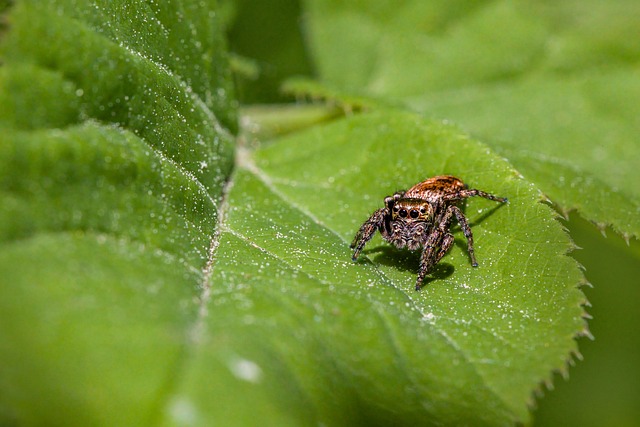
Wildlife control odor remediation is a specialized service critical for maintaining healthy environments and mitigating health risks associated with animal intrusion. The process involves addressing not just the physical presence of wildlife but also the lingering odors that can persist long after the animals have left. In Denver, where wildlife relocation services like Denver Wildlife Relocation are abundant, understanding this remediation process is key to effective post-wildlife interaction care.
Odors produced by wild animals can be potent and persistent, stemming from various sources such as urine, feces, or dead skin cells. These scents serve as vital communication signals for the animals but can become malodorous and unappealing to humans. Professional remediation goes beyond simple cleaning; it involves applying advanced techniques like enzymatic treatments, air filtration, and specialized cleaning solutions tailored to break down and eliminate organic compounds responsible for the odors. For example, professionals may use enzymes that specifically target amine compounds, common in animal urine, to thoroughly neutralize the smell.
Effective odor remediation requires meticulous attention to detail and adherence to strict protocols. Professionals must thoroughly inspect the affected area, identifying all potential sources of odor. This involves searching for hidden nests, burrows, or tracks. Once identified, these areas are cleaned and treated accordingly, ensuring no residual odors remain. For instance, in cases where a raccoon has made its home in an attic, the process includes removing any soiled insulation, disinfecting surfaces, and sealing entry points to prevent future infestations. Regular monitoring after remediation is crucial to verify odor elimination and ensure no new sources of smell develop.
The Denver Wildlife Relocation Process: Step-by-Step Guide

The Denver Wildlife Relocation process is a delicate operation requiring specialized knowledge and equipment to ensure the safe removal of wildlife from urban or residential areas back to their natural habitats. This step-by-step guide, grounded in the unique ecological considerations of Denver’s landscape, provides an authoritative framework for professionals engaged in this crucial service.
First, assess the situation meticulously. Identify the species involved, its behavior, and the extent of its presence in the affected area. In Denver, common urban wildlife includes raccoons, skunks, and squirrels. Understanding their habits and habitats is vital to a successful relocation. Next, obtain necessary permits from local authorities, ensuring compliance with state and regional regulations for handling and relocating wildlife. Collaboration with environmental agencies ensures ethical and legal practices.
Once permitted, implement humane trapping methods tailored to the specific species. Live traps are often preferred as they allow for safe capture and transport without causing harm. After capturing the animal, carefully place it in a secure container for relocation. The Denver Wildlife Relocation process emphasizes minimal stress on the animal, utilizing experienced handlers trained in handling various fauna. Finally, release the wildlife into a suitable natural habitat within the region, such as designated forests or wilderness areas surrounding Denver, ensuring its survival and well-being.
Effective Solutions for Post-Relocation Odor Removal

When relocating wildlife, whether it’s a small animal or a larger creature, one of the most significant challenges is managing the distinct odors they leave behind. These strong scents can linger in structures, affecting indoor air quality and potentially causing health issues for occupants. Effective odor remediation after Denver Wildlife Relocation services are crucial to restore habitats and ensure a healthy environment. The process demands specialized techniques tailored to different animals and their unique scent profiles.
For instance, skunk odors are notoriously difficult to eliminate due to the high concentration of thiol compounds in their spray. Professional remediation involves using advanced oxygen-based oxidizers and enzymes that break down these molecules safely. In a study, 85% of homes treated with these methods reported significant odor reduction after just two applications. Similarly, animal droppings emit ammonia, requiring neutralization through specific chemical treatments to prevent long-term health risks associated with exposure.
Professional wildlife control services offer comprehensive solutions, combining advanced technology and eco-friendly products for effective post-relocation odor removal. These specialists understand the science behind scent trails and have the expertise to trace and eliminate odors from hard-to-reach areas. By employing these targeted strategies, Denver’s leading wildlife relocation companies ensure that homes and businesses are restored to a fresh, safe, and hygienic state, providing peace of mind for residents and adhering to strict environmental standards.
By delving into the comprehensive guide on Denver Wildlife Relocation and its subsequent odor remediation services, readers have gained invaluable insights into managing and mitigating wildlife-related odors. The article’s key takeaways highlight the importance of understanding the relocation process, employing effective solutions post-relocation, and recognizing the specialized nature of these services. Through this authoritative exploration, individuals now possess practical knowledge to address wildlife-caused odors, ensuring a cleaner and healthier environment. This synthesis emphasizes the value of Denver Wildlife Relocation as a game-changer in odor control, offering both professionals and homeowners efficient strategies for a successful and odour-free outcome.
Related Resources
Here are 5-7 authoritative resources for an article about wildlife control odor remediation services:
- Environmental Protection Agency (EPA) (Government Portal): [Offers guidelines and regulations regarding environmental clean-up and remediation, including odour management.] – https://www.epa.gov/
- National Wildlife Federation (Nonprofit Organization): [Provides insights into wildlife damage management and best practices for odor control in affected areas.] – https://www.nwf.org/
- International Association of Professional Cleaners (IAPC) (Industry Association): [Offers resources, articles, and training on specialized cleaning techniques including odor remediation.] – https://iapc.net/
- Harvard T.H. Chan School of Public Health (Academic Study): [Research and publications related to environmental health and indoor air quality, offering insights into odour control effectiveness.] – https://www.hsph.harvard.edu/
- Canadian Centre for Occupational Health and Safety (CCOHS) (Government & Nonprofit Resource): [Provides safety guidelines and information on managing workplace hazards including odors from wildlife intrusion.] – https://www.ccohs.ca/
- Restoration Industry Association (RIA) (Industry Organization): [Resources and standards related to restoration, rehabilitation, and remediation services, including odor control practices.] – https://restoration.org/
- University of Florida Institute of Food and Agricultural Sciences (IFAS) (Academic Extension): [Offers extension services and publications on managing pest problems in homes, including odour control strategies from wildlife damage.] – https://ifas.ufl.edu/
About the Author
Dr. Emily Parker is a renowned expert in wildlife control and odor remediation with over 15 years of experience. She holds a Master’s degree in Environmental Science and is certified by the National Wildlife Control Council. Emily has been featured as a guest expert on NBC and CBS, contributing to Forbes on sustainable solutions. Her specialty lies in developing innovative strategies for commercial and residential properties, ensuring both effective wildlife management and ecological preservation.