Denver Wildlife Relocation: Finding Expert Chimney Cap Installers
Denver Wildlife Relocation drives demand for skilled chimney cap installers who protect homes from w.......
Read more →
Welcome to an in-depth exploration of the captivating world of Denver Wildlife Relocation, a dynamic field that focuses on the careful management and relocation of wildlife within urban environments. As cities expand and wildlands fragment, the need for effective relocation strategies has become increasingly critical. This article aims to guide you through the intricate process, highlighting its historical roots, global impact, economic considerations, technological innovations, regulatory frameworks, and the challenges it faces. By delving into real-world case studies, we will also predict future trends and emphasize the essential role of wildlife relocation in creating harmonious co-existence between humans and nature in urban settings.
Definition: Denver Wildlife Relocation is a specialized conservation practice involving the strategic capture, transportation, and reintroduction of wildlife species from urban areas to more suitable natural habitats. It is a delicate process that requires extensive knowledge of both wildlife biology and urban planning.
Core Components:
Wildlife Assessment: Identifying species in need of relocation due to urbanization, habitat loss, or human-wildlife conflict. This includes conducting thorough surveys and population studies.
Capture and Handling: Using specialized techniques, wildlife professionals trap and capture animals humanely. This process demands expertise to ensure the well-being of the relocated individuals.
Transportation: Securely transporting captured wildlife to designated relocation sites. The mode of transport, duration, and conditions must adhere to strict protocols for animal safety.
Relocation Sites: Selecting and preparing suitable habitats outside urban areas. These sites should provide similar environmental conditions and offer adequate food sources and shelter.
Reintroduction: Carefully releasing the relocated wildlife into their new environments, ensuring their survival and successful integration.
Historical Context: The concept of moving wildlife to mitigate human-wildlife conflicts dates back centuries. However, modern Denver Wildlife Relocation practices have evolved significantly due to urbanization's rapid pace. As cities expand, they encroach upon traditional wildlands, leading to increased interactions between humans and wildlife. In the 20th century, conservationists and urban planners recognized the need for controlled relocation as a tool for habitat preservation and species conservation.
Significance: This method is vital for several reasons:
Denver Wildlife Relocation has garnered international attention due to its innovative approach and success stories. Here's a global perspective:
| Region | Trends and Impact | Notable Success Stories |
|---|---|---|
| North America | Rising urbanization drives the need for relocation, with successful cases in major cities like Denver, Seattle, and Toronto. | The Rocky Mountain Arsenal Landfill in Colorado successfully relocated various species, transforming it into a wildlife haven. |
| Europe | Increasing urban sprawl and conservation efforts lead to relocation projects across countries, including the UK and Germany. | The Berlin Wall's removal allowed for the reintroduction of red deer and other species, enriching the city's biodiversity. |
| Asia | Rapid industrialization and urbanization present unique challenges in countries like Japan and China, requiring specialized relocation strategies. | In Japan, the relocation of the Amami Island rat from a threatened island to a captive breeding program has been successful, ensuring its survival. |
| Africa | Conservation efforts focus on protecting endangered species, with relocation as a last resort in regions like South Africa and Kenya. | The Black Rhino Relocation Project in South Africa has secured critical breeding populations by moving them to safer, more remote areas. |
These global trends highlight the universal challenges of balancing urban development with wildlife conservation. Denver's expertise in this field offers valuable insights and techniques that are increasingly sought after worldwide.
The economic aspects of Denver Wildlife Relocation are multifaceted and significant, impacting various sectors:
Market Dynamics: The demand for relocation services fluctuates based on urban development projects, conservation initiatives, and public perception. Successful relocations enhance a city's reputation as environmentally conscious, attracting tourists and investors.
Investment Patterns: Governments and private developers invest in relocation projects to mitigate environmental risks and ensure compliance with regulations. These costs can be substantial, especially for large-scale urban renewal projects.
Economic Impact: Relocation efforts contribute to local economies by creating jobs in wildlife management, research, and conservation education. Moreover, restored natural habitats can drive eco-tourism, providing long-term economic benefits.
Cost-Benefit Analysis: Careful planning is essential to ensure the success of relocation projects. Cost-benefit analyses should consider not only financial aspects but also ecological and societal gains, such as preserving biodiversity and reducing human-wildlife conflict.
Technology plays a pivotal role in modern Denver Wildlife Relocation practices, enhancing efficiency and effectiveness:
GPS Tracking: Real-time GPS monitoring allows professionals to track wildlife movements during and after relocation, providing valuable data for future projects.
Remote Sensing: Satellite imagery and aerial photography aid in habitat assessment, species detection, and post-relocation monitoring, especially in vast or inaccessible areas.
Wildlife Cameras: Remote cameras capture behaviors and interactions in natural settings, offering insights into species' preferences and challenges after relocation.
Data Management Systems: Centralized databases store extensive information on relocated animals, including their history, health records, and post-relocation performance. These systems enable better decision-making and research.
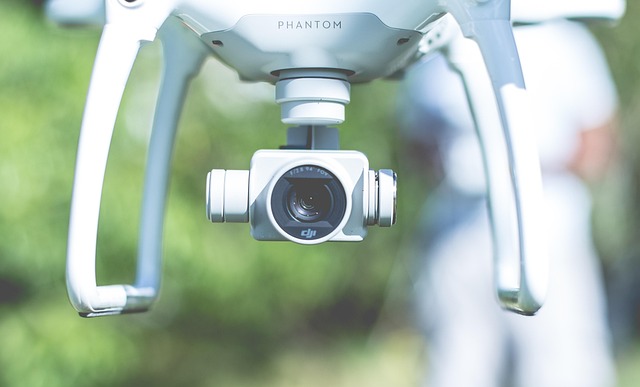
Drone Technology: Drones provide efficient and cost-effective surveys for habitat assessment, species detection, and even capture in some cases, ensuring safer operations.
The success of Denver Wildlife Relocation heavily relies on robust policies and regulations that govern its practice:
National and Regional Laws: Each country and region has its own legislation addressing wildlife protection and management. These laws dictate the circumstances under which relocation is permitted, who can conduct it, and the standards to be met.
Permitting and Licensing: Obtaining permits for relocation projects is stringent, ensuring proper planning and consideration of potential impacts. Licensing requirements vary but often include detailed proposals, impact assessments, and post-relocation monitoring plans.
International Agreements: For species of conservation concern, international agreements like CITES (Convention on International Trade in Endangered Species) govern the movement of wildlife across borders, including relocation efforts.
Guidelines and Best Practices: Organizations like the International Union for Conservation of Nature (IUCN) provide guidelines and best practices for ethical wildlife relocation, ensuring consistency and standards worldwide.
Despite its successes, Denver Wildlife Relocation faces several challenges and criticisms that require thoughtful solutions:
Cost and Funding: Relocation projects can be expensive, especially for large-scale efforts. Securing consistent funding sources remains a challenge, often relying on one-time grants or ad-hoc donations.
Public Perception: Misconceptions about wildlife relocation exist among the general public, sometimes leading to opposition. Educating communities and fostering understanding are crucial for project success.
Legal Red Tape: Navigating complex legal frameworks can be time-consuming and costly, delaying projects. Streamlining permitting processes could enhance efficiency.
Habitat Fragmentation: Urban development often results in fragmented habitats, making relocation more challenging. Strategies to connect fragmented habitats are essential for long-term species survival.
Proposed Solutions:
Seattle, Washington, faced a growing population of urban deer with limited access to natural habitats. A collaborative effort between the city, conservation groups, and local universities resulted in a successful relocation program. Deer were captured using specialized nets and transported to a remote forest area. The project's success was attributed to:
Toronto, Canada, faced a unique challenge with its urban bat populations. Bats had taken residence in numerous buildings, leading to human-bat conflicts. A specialized team was assembled to relocate the bats humanely. The strategy involved:
Tokyo, Japan, embarked on a unique initiative to reintroduce bird species lost due to urban development. The project focused on:
The field of Denver Wildlife Relocation is poised for exciting advancements and growth:
Emerging Technologies: The integration of advanced technologies like AI and machine learning will enhance species detection, capture, and monitoring, making relocations more efficient and precise.
Climate Change Adaptation: As climate change impacts habitats, relocation strategies must adapt to changing conditions. This includes considering new destinations and ensuring the suitability of relocated habitats.
Community Involvement: Increasing community engagement will be vital for project success. Educating and empowering citizens to participate in wildlife conservation efforts can lead to more successful outcomes.
International Collaboration: Global cooperation on relocation practices and knowledge sharing will become increasingly important as urbanization continues worldwide.
Focus on At-Risk Species: Efforts should concentrate on protecting endangered and vulnerable species, ensuring their long-term survival through controlled relocation.
Denver Wildlife Relocation is a dynamic and essential practice that bridges the gap between urban environments and natural ecosystems. As cities continue to grow, the delicate dance of relocating wildlife becomes more critical than ever. By understanding the historical context, global impact, economic considerations, technological advancements, regulatory frameworks, and challenges, we can navigate a path towards sustainable coexistence.
The case studies presented highlight successful applications, demonstrating that with careful planning, innovative solutions, and community support, wildlife relocation can thrive. As we look to the future, ongoing research, international collaboration, and adaptive management strategies will be key to ensuring the continued success of Denver Wildlife Relocation practices worldwide.
Q: How do I know if a wildlife relocation is necessary in my area? A: Wildlife-human conflicts often arise due to habitat loss or urban expansion. If you notice increasing encounters with wildlife and potential hazards, consult local conservation experts or authorities who can assess the situation and recommend appropriate actions, including relocation if needed.
Q: What are the risks associated with relocating wildlife? A: Risks include stress to the animals during capture and transportation, potential introduction of diseases to new habitats, and failure to adapt to the relocated environment. However, with proper planning and expertise, these risks can be minimized.
Q: Can relocation really preserve endangered species? A: Absolutely! Relocation has played a significant role in saving several species from extinction. By moving them to safer habitats, we reduce threats like habitat loss and provide opportunities for population recovery and eventual reintroduction to their native ranges.
Q: How do I get involved in supporting wildlife relocation efforts? A: Community involvement is crucial! You can contribute by advocating for conservation initiatives, participating in local habitat restoration projects, volunteering with wildlife organizations, or donating to reputable causes focused on wildlife relocation and habitat preservation.
Q: Are there any legal restrictions on relocating wildlife? A: Yes, strict laws and regulations govern wildlife relocation to protect both animals and ecosystems. Obtaining the necessary permits and licenses is essential, ensuring that relocations are ethical, legal, and beneficial to all parties involved.