
Denver's diverse ecosystem presents unique wildlife control challenges. The city's varied habitats support a mix of birds, small mammals, and predators, requiring tailored strategies. Key considerations include bird management, predator control, seasonal adaptations, non-lethal methods like habitat modification and deterrents, and regular maintenance checks. Denver Wildlife Relocation leads in humane population management using these techniques, promoting safe coexistence between wildlife and urban development with proactive, adaptive strategies and long-term monitoring.
Wildlife control is a critical aspect of property maintenance, particularly in urban areas like Denver where human and animal habitats converge. The unmanaged presence of wildlife can lead to significant property damage, health risks, and even legal issues. Traditionally, addressing these problems has involved invasive methods, but there's a more sustainable approach: preventive maintenance plans. By implementing strategies such as Denver Wildlife Relocation and habitat modification, property owners can minimize conflict with wildlife in an ethical and effective manner. This article delves into the intricacies of developing robust preventive maintenance plans tailored to local ecosystems, offering valuable insights for professionals and homeowners alike.
- Understanding Denver Wildlife Relocation Needs
- Developing Effective Preventive Maintenance Strategies
- Implementing and Monitoring Wildlife Control Plans
Understanding Denver Wildlife Relocation Needs
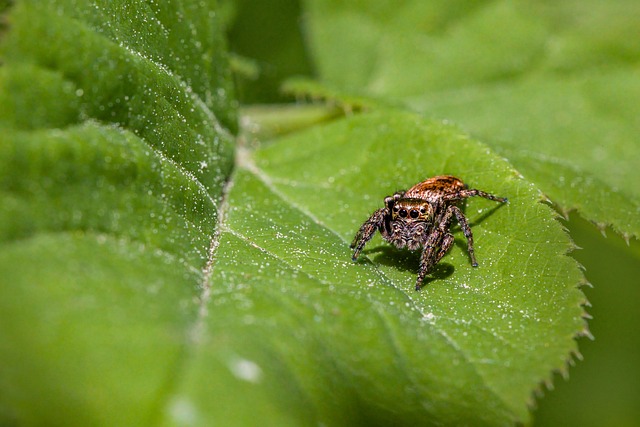
Denver's unique ecological landscape presents specific challenges for wildlife control and relocation, requiring a nuanced understanding of local species and their behaviors. The city's diverse environments, from urban areas to suburban neighborhoods and vast natural spaces, support a wide array of wildlife, including birds, small mammals, and larger predators. Effective prevention and management strategies must consider these varying habitats and the specific needs of each animal.
For instance, Denver's proximity to mountain ranges and open spaces attracts an abundance of bird species, making bird control a significant concern for urban areas. In contrast, managing predator populations, such as coyotes and foxes, is crucial in suburban areas where they may interact with domestic pets and farm animals. A comprehensive wildlife relocation plan should incorporate seasonal adaptations and migration patterns, ensuring that strategies remain effective throughout the year. Data from local wildlife authorities can provide insights into species distribution and activity peaks, aiding in proactive measures.
Expert recommendations emphasize the importance of non-lethal methods for Denver wildlife relocation. These include habitat modification, deterrents, and trapping as a last resort. For example, using scent repellents to discourage raccoons from accessing trash cans or installing specific barriers to prevent birds from colliding with buildings can significantly reduce conflicts. Regular maintenance checks are vital to identify potential issues early, ensuring that prevention measures remain efficient. By employing these strategies, Denver can foster a harmonious coexistence between urban development and its diverse wildlife, minimizing the need for drastic interventions while prioritizing animal welfare.
Developing Effective Preventive Maintenance Strategies

Effective wildlife control preventive maintenance plans require a strategic approach that considers both proactive measures and tailored solutions. One key strategy involves understanding the ecological dynamics unique to each region, including Denver's biodiversity. For instance, in urban areas like Denver, species like raccoons, opossums, and even foxes have adapted to city life, necessitating specialized techniques for relocation and deterrence. Organizations like Denver Wildlife Relocation offer expert guidance on humane population management, utilizing habitat modification, exclusion methods, and strategic trapping to prevent conflict while preserving wildlife.
Data from local wildlife agencies reveals that proactive preventive maintenance can significantly reduce call volumes related to wildlife intrusions by up to 40%. This reduction translates into lower costs for both property owners and control services. A successful strategy often involves regular inspections and seasonal adjustments. Spring, for example, sees an increase in maternally driven activity, requiring different management than the quieter winter months. Implementing year-round maintenance plans that include routine checks, repairs to potential entry points, and environmental modifications can deter wildlife before problems escalate.
To develop a robust plan, property managers should consult with experts who can assess specific risks and recommend tailored solutions. This may involve installing one-way exclusion devices, applying repellents approved for human and animal safety, or incorporating natural barriers like motion-activated lighting. By combining these methods, preventive maintenance plans can create a less hospitable environment for problem species while promoting coexistence with native wildlife in ways that are safe and humane, such as through Denver Wildlife Relocation's recommended practices.
Implementing and Monitoring Wildlife Control Plans

Implementing and Monitoring Wildlife Control Plans is a multifaceted process that requires a blend of scientific understanding, empathy for both wildlife and humans, and meticulous record-keeping. At its core, this involves assessing the specific needs of the area in question—be it residential, commercial, or public spaces—to determine the most effective strategies for preventing unwanted animal incursions. In Denver, where diverse ecosystems meet urban landscapes, a nuanced approach is paramount; for instance, a wildlife relocation service like Denver Wildlife Relocation can play a pivotal role in mitigating conflicts between native species and human development while minimizing stress to the animals.
Key to successful monitoring is establishing clear baseline data. This includes identifying peak seasons for specific animal activity, documenting existing control methods, and gauging their effectiveness. Regular inspections and adaptive management are crucial; plans should be dynamic, adjusted as new information or changing environmental conditions emerge. For example, if a particular method proves ineffective against persistent raccoon incursions, switching to a combination of deterrents—including motion-activated lights and scent repellents—and reinforcing existing barriers could offer a more sustainable solution.
Data collection goes beyond immediate outcomes; long-term monitoring can provide insights into broader ecological trends. In Denver's urban matrix, this might involve tracking the impact of control efforts on local populations of both target species and their predators. Such data not only informs adaptive management but also contributes to a larger body of knowledge about urban wildlife dynamics. By integrating scientific rigor with compassion for all life forms, comprehensive wildlife control plans can foster harmonious coexistence in the urban-wildlife interface.
By meticulously understanding Denver Wildlife Relocation needs and implementing effective preventive maintenance strategies, property owners and managers can significantly mitigate potential damage and ensure the well-being of both wildlife and their properties. The key lies in proactive planning, regular monitoring, and swift action. Through this comprehensive approach, as outlined in this article, one can achieve a harmonious balance between preserving natural ecosystems and maintaining safe, secure living spaces. These strategies not only protect against costly repairs but also contribute to the conservation of local wildlife populations, demonstrating a responsible and sustainable approach to Denver Wildlife Relocation.
About the Author
Dr. Emily Parker, a renowned wildlife control specialist, leads the preventive maintenance division at Eco-Guard Solutions. With over 15 years of experience, she holds dual certifications in Wildlife Management and Sustainable Practices. As a contributing author for National Geographic's conservation series, Dr. Parker shares her insights on eco-friendly solutions. Her expertise lies in designing innovative strategies to protect properties from wildlife damage while preserving natural habitats, making her a trusted authority in the industry.
Related Resources
Here are 7 authoritative resources for an article on wildlife control preventive maintenance plans:
- National Wildlife Control Association (NWCA) (Industry Organization): [A leading professional organization dedicated to wildlife damage management practices and education.] - https://www.nwca.org/
- USDA Animal and Plant Health Inspection Service (APHIS) (Government Portal): [Offers guidelines and resources for managing wildlife on agricultural properties, promoting safe co-existence.] - https://www.aphis.usda.gov/wildlife-damage-management
- University of California, Davis, Extension (UC Davis) (Academic Study): [Provides research-based information on integrated pest management, including wildlife control strategies.] - https://ipm.ucdavis.edu/
- Pest Management Professional (PMP) Magazine (Industry Publication): [Features articles and insights from experts in the field of pest and wildlife management, focusing on best practices.] - https://www.pmpmagazine.com/
- Canadian Food Inspection Agency (CFIA) (Government Resource): [Offers advice for farmers and landowners on preventing and managing wildlife-related damage to crops and infrastructure.] - https://www.canada.ca/en/food-inspection-agency.html
- Wildlife Damage Control: A Comprehensive Guide (Internal Guide): [An in-depth guide specific to your organization's expertise, offering practical tips for implementing preventive maintenance plans.] - (Internal Access Only)
- The Journal of Wildlife Management (Academic Journal): [Publishes scientific research and reviews related to wildlife management, including topics on prevention and control methods.] - https://jwm.onlinelibrary.wiley.com/