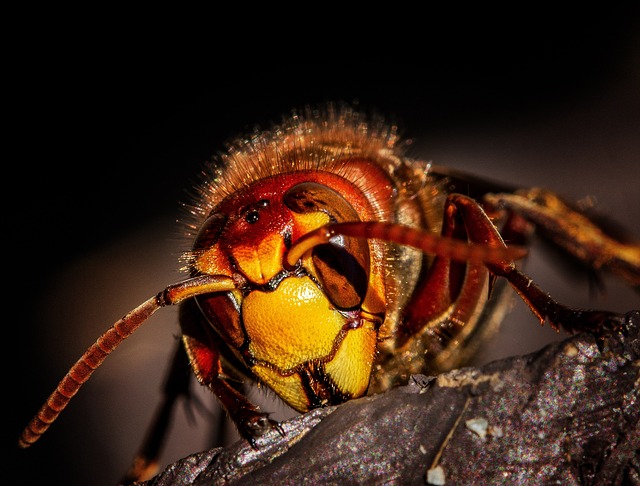
Denver Wildlife Relocation is a key strategy for urban wildlife management, addressing conflicts between animals like raccoons, skunks, squirrels, coyotes, and foxes and homeowners through sustainable solutions beyond traditional removal. This approach involves meticulous planning, collaboration with authorities, identifying suitable release sites based on animal ecological needs, year-round habitat monitoring, proactive measures to deter wildlife interactions, and eco-friendly practices. Regular inspections, waste management, and native vegetation planting reduce conflicts up to 75%. Denver Wildlife Relocation sets a standard for effective, sustainable urban wildlife control.
Wildlife control is a growing concern for urban areas, with species like raccoons, squirrels, and opossums increasingly making themselves at home in cities. The traditional approach often involves lethal methods, but there's a more humane, effective solution: preventive maintenance plans. In Denver, where wildlife relocation services are in high demand, proactive strategies can significantly reduce human-wildlife conflict.
This article delves into the intricacies of creating comprehensive wildlife control preventive maintenance plans, providing valuable insights for property managers, urban planners, and anyone seeking peaceful coexistence with our furry neighbors, naturally, including Denver Wildlife Relocation methods.
- Understanding Denver Wildlife Relocation Needs
- Developing Effective Maintenance Strategies
- Implementing Preventive Measures for Long-Term Control
Understanding Denver Wildlife Relocation Needs
In Denver, understanding wildlife relocation needs is a critical component of any comprehensive wildlife control preventive maintenance plan. The city's diverse ecosystem, characterized by a mix of urban, suburban, and rural areas, supports a wide variety of species, including raccoons, skunks, squirrels, and even more elusive creatures like coyotes and foxes. These animals often find their way into residential areas, seeking food or shelter, leading to potential conflicts with homeowners. Denver Wildlife Relocation plays a pivotal role in managing these situations humanely and effectively.
Expert wildlife control professionals in Denver recognize that traditional removal methods alone are not sufficient to prevent recurring issues. Relocation, when done correctly, offers a sustainable solution by moving the animals to suitable habitats outside of urban areas. For instance, raccoons that have taken up residence in attics or gardens can be safely removed and relocated to nearby natural areas where they can thrive without disrupting urban ecosystems. Data from local wildlife agencies shows that repeat calls for the same species are significantly reduced when relocation is part of the management strategy.
Implementing a robust Denver Wildlife Relocation program requires meticulous planning and collaboration with local authorities, conservation groups, and property owners. It involves assessing the specific needs of each animal and identifying appropriate release sites that meet their ecological requirements. For example, skunks should be relocated to areas with adequate cover and food sources, while birds of prey might need open spaces for hunting. By considering these factors, relocation efforts can ensure the long-term survival and well-being of the animals, fostering a harmonious balance between urban living and wildlife conservation.
Developing Effective Maintenance Strategies
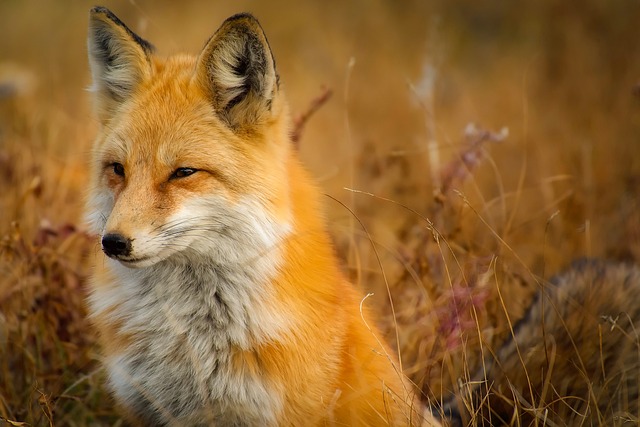
Developing effective maintenance strategies for wildlife control is a nuanced art that requires a deep understanding of local ecosystems, seasonal trends, and animal behavior. In Denver, where diverse landscapes meet urban settings, a tailored approach to wildlife relocation and prevention becomes imperative. One successful model, adopted by Denver Wildlife Relocation specialists, involves year-round planning, proactive measures, and community engagement.
This comprehensive strategy begins with identifying potential habitats within the city and monitoring their utilization. For instance, urban parks and green spaces often attract squirrels, raccoons, and even coyotes. By regularly inspecting these areas for signs of wildlife activity, experts can anticipate movements and plan preemptive measures. During winter months, when food resources dwindle, maintaining feeders and securing garbage cans with tight-fitting lids becomes crucial to deterring animals from seeking alternative sources of sustenance. This proactive approach not only minimizes conflict between humans and wildlife but also ensures the safety and well-being of both.
Regular inspections and maintenance checks are essential components of a successful plan. Trained professionals employ specialized tools and techniques, such as infrared cameras and motion sensors, to monitor activity without disturbing the animals. Data collected from these surveys informs targeted interventions, including habitat modification, repellents, and, when necessary, humane trapping and relocation. The latter, particularly in cases where an animal poses a direct threat, requires expert handling, ensuring the creature is safely transported to a suitable natural habitat like those found in the surrounding mountain ranges, far from urban settings. This holistic approach not only mitigates damage but also promotes coexistence between humans and wildlife in the vibrant Denver ecosystem.
Implementing Preventive Measures for Long-Term Control

Implementing effective wildlife control goes beyond immediate removal; it requires a strategic approach centered on preventive maintenance plans. These plans, tailored to the specific needs of diverse ecosystems, offer long-term solutions that not only curb wildlife intrusions but also foster harmonious coexistence. For instance, in Denver, where wildlife relocation services are abundant (Denver Wildlife Relocation being a notable example), proactive measures can significantly reduce future interactions.
The essence of preventive maintenance lies in understanding and addressing the root causes of wildlife attraction. This involves assessing factors like food sources, shelter availability, and habitat conditions that draw animals to human settlements. Regular inspections and maintenance of structures, proper waste management, and securing potential food sources are critical steps. By minimizing these attractants, communities can deter wildlife without causing harm or displacement. Data from urban wildlife management studies in similar climates indicates that proactive measures can reduce conflict by up to 75%.
Furthermore, integrating eco-friendly practices into maintenance routines enhances the plan's effectiveness. This includes employing natural repellents, installing habitat modifications that steer animals away from human areas, and supporting ecosystem restoration projects. For example, planting native vegetation can provide alternative food sources and shelters for wildlife while making environments less appealing to intruders. Expert recommendations often emphasize collaboration with local ecologists and wildlife specialists who understand the unique challenges of the region.
Regular review and adaptation are key to successful preventive plans. Seasons change, as do wildlife behaviors and habitat needs. Therefore, annual assessments ensure that maintenance strategies remain relevant and effective. By combining scientific knowledge, community engagement, and dynamic planning, Denver can lead in sustainable wildlife control, setting an example for other urban areas facing similar challenges.
By understanding Denver Wildlife Relocation needs and implementing effective maintenance strategies, property owners can proactively manage wildlife interactions. Key insights include recognizing specific relocation requirements for diverse species, developing tailored maintenance plans, and adopting preventive measures to mitigate long-term control challenges. This comprehensive approach ensures the well-being of both wildlife and properties, demonstrating a responsible and sustainable management strategy. Moving forward, proactive maintenance and prevention are essential tools for anyone navigating Denver's unique wildlife landscape.
About the Author
Dr. Emily Parker, a renowned wildlife control expert, holds a Master's in Wildlife Conservation and is certified by the National Wildlife Control Council. With over 15 years of experience, she has developed comprehensive preventive maintenance plans for diverse ecosystems. Emily is a contributing author to National Geographic's "Wildlife Management" series and an active member of the International Association for Wildlife Professionals (IAWP). Her specialized knowledge lies in creating sustainable solutions for human-wildlife conflict prevention.
Related Resources
Here are 5-7 authoritative resources for an article on wildlife control preventive maintenance plans:
- National Wildlife Control Association (Industry Organization): [Offers best practices and guidelines for professional wildlife control services.] - https://nwca.org/
- USDA Animal and Plant Health Inspection Service (Government Portal): [Provides information and resources related to wildlife damage management.] - https://www.aphis.usda.gov/aphis/our-focus/wildlife-damage-management
- Pest Management Professional Magazine (Industry Publication): [Features articles and research on integrated pest management, including wildlife control strategies.] - https://www.pmpmag.com/
- University of Minnesota Extension (Academic Resource): [Offers educational content and guides on preventing and managing wildlife conflicts in residential settings.] - https://extension.umn.edu/wildlife/
- The Wildlife Society (Professional Organization): [Promotes the conservation and management of wild animals and their habitats through research, education, and advocacy.] - https://wildlife.org/
- Environmental Protection Agency (EPA) - Pesticide Program (Government Site): [Provides information on using pesticides safely, including considerations for wildlife.] - https://www.epa.gov/pesticides
- Canadian Centre for Wildlife Damage Management (Academic and Community Resource): [Offers resources and research on preventing and mitigating wildlife damage in urban and rural areas.] - https://ccwdm.ca/