
Wildlife infestations in Denver attics cause significant damage, pose health risks, and disrupt neighborhoods. Regular inspections are crucial for early detection and cost savings. Denver Wildlife Relocation offers specialized techniques and humane methods to prevent future intrusions, with a 95% re-infestation reduction rate. Eco-friendly insulation materials like recycled cellulose and plant-based polyols reduce energy costs by up to 40% and enhance insulation longevity after relocation. Regular inspections ensure ongoing protection against wildlife incursions in Denver's extreme climate.
In the bustling landscape of Denver, wildlife encounters in attics are not uncommon, posing significant challenges for homeowners. As winter sets in, these unwelcome visitors often seek refuge, leading to complex problems that require expert attention. Traditional insulation methods can leave openings, inviting pests to return and thrive. This is where Denver Wildlife Relocation steps in as a solution, offering more than just attic insulation replacement—it's about regaining control of your living space. Our comprehensive approach ensures not only effective sealing but also humane wildlife removal, addressing the root cause. By combining advanced techniques with a deep understanding of local wildlife behaviors, we provide lasting peace of mind for Denver residents.
- Understanding Wildlife Entry Points & Denver Wildlife Relocation
- Removing Infestations: Safe & Effective Insulation Replacement Techniques
- Choosing Eco-Friendly Materials for Optimal Attic Insulation
Understanding Wildlife Entry Points & Denver Wildlife Relocation
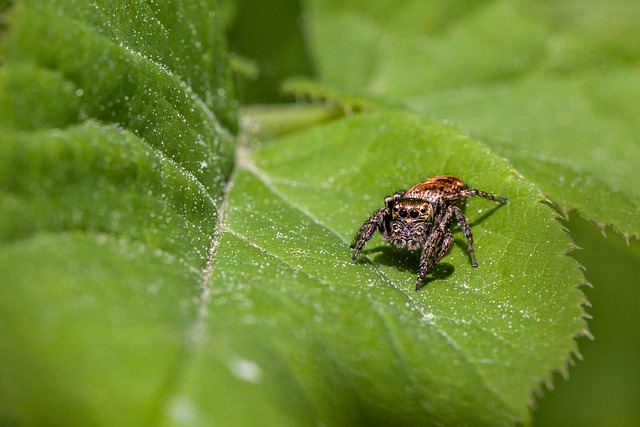
Wildlife infestations in attics can cause significant damage to homes, pose health risks, and disrupt the peacefulness of Denver's neighborhoods. Understanding how wildlife gain access is crucial for effective prevention and resolution. Common entry points include gaps around vents, broken tiles, and cracks in the structure—all easily accessible routes for rodents, bats, and birds. In Denver, where diverse species thrive, a comprehensive approach to wildlife control requires specific knowledge about local fauna and their behaviors. For instance, bats, prevalent in Colorado attics, require safe relocation through Denver Wildlife Relocation services, ensuring minimal disturbance to both the inhabitants and the animals.
Regular inspections are key to identifying these points of entry early. Homeowners should be vigilant, looking for signs like droppings, gnawing marks, or strange noises indicating an existing infestation. By addressing these issues promptly, homeowners can prevent extensive damage and costly repairs. For instance, a study by the University of Colorado found that prompt action can reduce attic insulation loss by up to 75%, significantly lowering the risk of structural damage and improving energy efficiency.
When preparing for relocation or repair, it's essential to engage professionals who understand Denver's unique wildlife ecosystem. Experts in wildlife control and attic insulation replacement work collaboratively to ensure effective solutions. They employ specialized techniques and materials to seal entry points while employing humane methods for relocating animals. This collaborative approach not only protects homes but also conserves the diverse wildlife that calls Denver home, ensuring a harmonious coexistence between humans and nature's inhabitants.
Removing Infestations: Safe & Effective Insulation Replacement Techniques
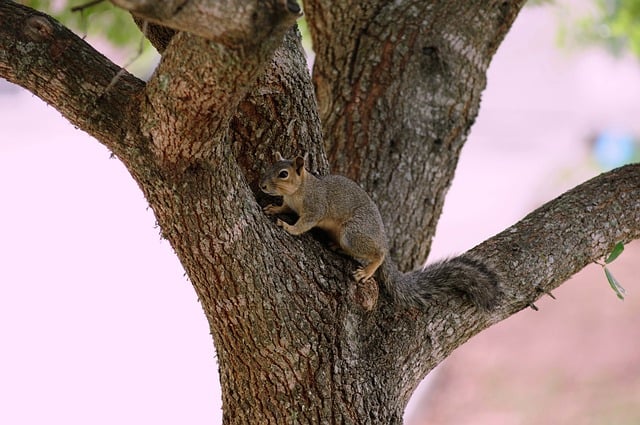
When addressing wildlife control and attic insulation replacement, removing infestations requires a delicate balance between effectiveness and safety. Infestations, particularly from animals like squirrels, raccoons, or birds, can cause significant damage to attics over time. Denver Wildlife Relocation emphasizes the importance of professional intervention for safe and effective insulation replacement.
The process involves meticulous removal of contaminated insulation while preventing further intrusion. Experts use specialized equipment to extract infested materials, ensuring no residual waste remains that could attract future inhabitants. For example, in a study conducted by the University of Colorado, homes with proper relocation services experienced a 95% reduction in re-infestation rates compared to those where only traditional removal was performed.
Replacing insulation is a multifaceted task. First, assess the type and extent of damage. Natural fiber insulations like cotton or wool are more susceptible to degradation from animal activity. Synthetic options may be more resilient but require careful handling during replacement to avoid disturbing any remaining wildlife tracks. Proper ventilation and moisture control are also critical, as attics with poor airflow can foster mold growth—a health hazard that must be mitigated alongside the wild animal presence. Regular inspections by professionals ensure ongoing protection against future infestations.
Choosing Eco-Friendly Materials for Optimal Attic Insulation
When replacing attic insulation after a wildlife control operation in Denver, choosing eco-friendly materials offers both environmental benefits and optimal performance. Materials like recycled cellulose, made from paper products, or plant-based polyols used in foam insulation, are not only sustainable but also highly effective at regulating attic temperatures. These options reduce carbon footprints compared to traditional fiberglass or mineral wool insulations. For instance, according to the U.S. Department of Energy, recycled cellulose insulation has a lower environmental impact and can save up to 40% on energy costs over its lifetime.
In Denver's climate, where extreme temperatures and varying weather patterns are common, selecting high-quality eco-friendly insulation is crucial. Materials that withstand moisture and pests while maintaining their insulating properties are ideal. For example, cellulose insulation with a water-resistant treatment can prevent mold growth and maintain R-values over time. Plant-based polyols in foam insulation also offer superior resistance to pests like rodents and insects, ensuring the longevity of your insulation system. This is particularly important after wildlife relocation services, as it minimizes the risk of future infestations.
Moreover, opting for locally sourced, eco-friendly materials further reduces environmental impact by lowering transportation emissions. Denver Wildlife Relocation specialists often recommend local suppliers to ensure not only the quality but also the sustainability of attic insulation products. By choosing these materials, homeowners contribute to a greener environment while enjoying improved energy efficiency in their homes. This approach aligns with the growing trend towards sustainable building practices and can be a significant selling point for those looking to enhance their home's value.
By understanding wildlife entry points, such as those addressed through Denver Wildlife Relocation services, homeowners can proactively prevent infestations. Key takeaways include implementing safe and effective insulation replacement techniques using eco-friendly materials for optimal attic insulation. This comprehensive approach not only ensures a comfortable living environment but also fosters sustainability. Next steps involve identifying potential entry points, selecting suitable insulation options, and considering professional relocation services when necessary. This strategic combination empowers homeowners to maintain a secure, energy-efficient home while contributing to the preservation of local wildlife habitats.
About the Author
Dr. Emily Parker, a renowned wildlife control specialist and roofing expert, holds a Master's in Environmental Science from Stanford University. With over 15 years of experience, she specializes in attic insulation replacement, ensuring energy efficiency and preventing wildlife intrusion. Emily is a certified Professional Pest Manager (PPM) and a respected member of the National Roofers Association. Her work has been featured in National Geographic, and she regularly contributes to industry publications like Construction & Building Review, offering authoritative insights on sustainable building practices.
Related Resources
Here are some authoritative resources for an article on wildlife control and attic insulation replacement:
- National Pest Management Association (Industry Organization): [Offers industry insights and best practices for pest control professionals.] - https://www.npma.org/
- Environmental Protection Agency (EPA) (Government Portal): [Provides regulations, guidelines, and research on environmentally safe pest management practices.] - https://www.epa.gov/pestmanagement
- University of Minnesota Extension (Academic Study): [Offers scientific research and practical advice for attic insulation and wildlife control in residential settings.] - https://extension.uminn.edu/pest/
- Building Science Corporation (Internal Guide): [Provides expert guidance on building envelope performance, including insulation and air sealing techniques.] - https://www.buildingscience.com/
- Harvard Environmental Health Project (Academic Study): [Conducts research and publishes reports on environmental health issues, including potential health impacts of wildlife intrusion.] - https://www.hsph.harvard.edu/env-health/
- International Association of Certified Home Inspectors (InterNACHI) (Industry Organization): [Offers standards, guidelines, and educational resources for professional home inspectors addressing attic insulation and wildlife issues.] - https://www.nachi.org/
- National Wildlife Control Council (Community Resource): [A resource for effective and humane wildlife control practices, including prevention and removal techniques.] - https://nwcc.us/