
Denver Wildlife Relocation offers non-lethal methods to control moles and gophers, attracting environmentally conscious residents facing burrowing rodent infestations in diverse landscapes. They use humane techniques like relocation cages and repellents, prioritizing animal welfare over toxic chemicals or lethal traps.
In the vibrant landscape of Denver, navigating the challenges posed by burrowing creatures like moles and gophers is essential for property owners. This article delves into the intricate world of mole and gopher control, offering a comprehensive guide tailored to the unique ecosystem of Denver. We explore understanding these pests’ behavior, effective non-lethal relocation methods, and the benefits of professional, humane wildlife relocation services in Denver.
- Understanding Mole and Gopher Behavior in Denver
- Non-Lethal Control Methods for Effective Relocation
- Professional Services: A Safe and Humane Approach
Understanding Mole and Gopher Behavior in Denver
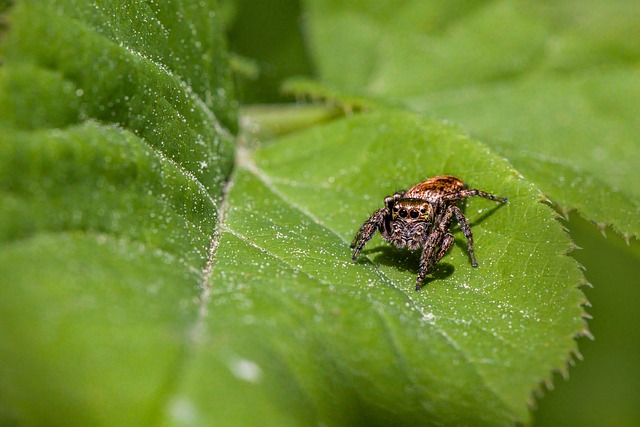
Understanding the behavior of moles and gophers in Denver is crucial for effective Wildlife Control. These burrowing rodents are particularly prevalent in areas with rich, moist soil—a common trait among many neighborhoods in Denver. During the day, they primarily stay underground in their complex tunnels, emerging at night to forage for food, which includes grasses, roots, and even small insects.
Denver’s unique landscape presents challenges and opportunities for mole and gopher control. The city’s diverse terrain, from urban parks to suburban gardens, provides habitats where these wildlife species can thrive. As such, professionals in Denver Wildlife Relocation offer expert advice on non-lethal methods to deter and manage their populations humanely.
Non-Lethal Control Methods for Effective Relocation

In the realm of Denver wildlife relocation, non-lethal control methods offer a humane and effective approach to managing moles and gophers. Instead of resorting to toxic chemicals or lethal traps, professionals employ techniques that allow for the safe capture and relocation of these creatures. One such method is the use of exclusion cages, which are buried in strategic areas to trap moles or gophers alive. Once captured, the animals are transported to a suitable habitat away from residential areas, ensuring they don’t return to disturb the landscape again.
Another non-lethal approach involves the application of repellents and deterrents. Certain scents and noises can effectively drive away these burrowing rodents without causing them harm. Denver wildlife relocation experts may also utilize habitat modification techniques, such as repairing fence lines or installing physical barriers, to prevent moles and gophers from gaining access to yards and gardens in the first place. These methods not only protect properties but also preserve the well-being of the animals, making them a preferred choice for environmentally conscious individuals.
Professional Services: A Safe and Humane Approach

When dealing with persistent mole or gopher infestations, many homeowners opt for professional wildlife control services. These experts in Denver wildlife relocation offer a safe and humane approach to managing these burrowing rodents. They employ specialized techniques and tools designed to capture and relocate the animals humanely, ensuring no harm comes to them or your property.
Professional services prioritize non-lethal methods, which not only respect animal welfare but also maintain ecological balance. By capturing and relocating moler and gophers, these experts contribute to a sustainable solution, preventing further damage while promoting the well-being of these creatures.
In the vibrant landscape of Denver, addressing mole and gopher infestations requires a delicate balance between effective control and humane treatment. By understanding these creatures’ behaviors, we can employ strategic non-lethal methods, such as relocation, for a peaceful co-existence. When faced with persistent issues, professional services specializing in Denver wildlife relocation offer safe, efficient solutions tailored to the unique challenges of urban environments. Remember that, in navigating this enigma, humane and responsible actions ensure a harmonious tapestry for both residents and wildlife.