
Denver's groundhog population requires careful management due to urban expansion and habitat fragmentation. Effective Denver Wildlife Relocation involves understanding breeding seasons, hibernation, and food availability, with relocation teams strategically capturing and relocating animals to suitable habitats outside city limits. This ethical approach prioritizes ecological balance, minimizing disruptions to ecosystems and ensuring groundhog species survival despite urban development.
In Denver, understanding the groundhog population dynamics is crucial for effective Wildlife Control. This urban landscape presents unique challenges for managing these creatures, especially as their habitats shrink. Denver wildlife relocation teams play a vital role in conservation efforts by humanely addressing groundhog overpopulation. This article explores safe and ethical relocation practices, highlighting the importance of professional intervention in maintaining ecological balance while mitigating potential risks to both humans and wildlife in Denver’s urban setting.
- Understanding Denver's Groundhog Population Dynamics
- The Role of Wildlife Relocation Teams in Conservation
- Safe and Ethical Groundhog Relocation Practices
Understanding Denver's Groundhog Population Dynamics
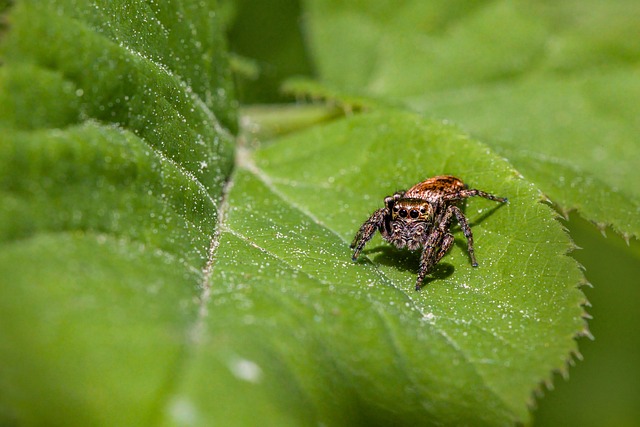
Denver, like many urban areas, has a unique wildlife population dynamic, and groundhogs are no exception. These burrowing rodents have found a niche in the city’s parks, green spaces, and even residential neighborhoods. Understanding their behavior and habitat preferences is crucial for effective Denver wildlife relocation services. The groundhog’s life cycle involves a complex interplay of breeding seasons, hibernation, and food availability, which influences their population growth and distribution.
During spring, groundhogs emerge from hibernation and establish territories, often expanding into new areas in search of food and suitable habitats. This is when Denver wildlife control teams step in, as they are most active in relocating groundhogs to more appropriate environments outside the city. By studying these population dynamics, relocation specialists can predict optimal times for capturing and moving these animals, ensuring their survival and a harmonious balance between urban and natural ecosystems in Denver.
The Role of Wildlife Relocation Teams in Conservation
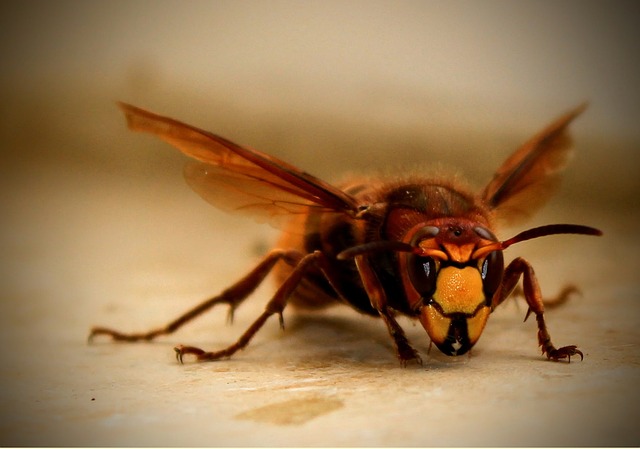
Wildlife relocation teams, including those specializing in groundhog conservation, play a vital role in maintaining ecological balance and preserving biodiversity. In areas like Denver, where human expansion has fragmented habitats, these experts ensure that wildlife species can thrive despite urban development. They employ ethical methods to capture and transport animals, often relocating them to suitable, undisturbed habitats within the same region.
This process is crucial for groundhogs, which have faced challenges due to habitat loss and fragmentation. Denver Wildlife Relocation teams work diligently to minimize disruptions in the lives of these creatures, allowing them to continue their vital roles in the ecosystem. By carefully managing populations and relocating them when necessary, these conservationists contribute significantly to the long-term survival of groundhogs and other wildlife species.
Safe and Ethical Groundhog Relocation Practices

When it comes to groundhog relocation, safety and ethics are paramount. Professional wildlife control teams in Denver adhere to strict protocols to ensure the well-being of both the animals and humans. These practices involve careful planning, specialized equipment, and knowledge of local ecosystems to gently remove groundhogs from residential areas without causing harm.
Ethical considerations guide every step, from assessing the situation to transporting and releasing the animals back into suitable habitats. Proper relocation helps maintain ecological balance while respecting the needs of both wildlife and communities, making it a sustainable solution for managing groundhog populations in Denver.
Denver’s groundhog population dynamics require thoughtful management, and wildlife relocation teams play a crucial role in conservation efforts. By employing safe and ethical relocation practices, these experts ensure the well-being of groundhogs while mitigating potential conflicts with urban development. Through understanding the unique challenges facing Denver’s groundhog population, we can foster a harmonious coexistence between these creatures and the city’s growing metropolis. This collaborative approach to Denver wildlife relocation is essential for preserving both the natural balance and the quality of life for all inhabitants.