Denver's diverse ecosystem necessitates specialized attic remediation due to common wildlife entries. Professionals employ strategic, non-lethal methods like humane bat traps and squirrel exclusion devices. Denver Wildlife Relocation focuses on safe animal relocation, preventing reinfestation through sealing entry points, advanced imaging, and natural techniques. Early intervention reduces property damage, health risks, and allergen concerns while supporting urban wildlife conservation.
In the vibrant landscape of Denver, as with many urban centers, wildlife encounters in attics have become an increasingly common nuisance. These unwelcome visitors can cause significant damage to homes, disrupt peace of mind, and pose potential health risks. Traditionally, addressing these issues involved aggressive methods or costly removal without ensuring a humane solution for the animals. However, a pioneering approach has emerged: Denver Wildlife Relocation teams offer expert attic remediation services that balance effective wildlife control with conservation ethics. This article delves into the intricate processes these specialized teams employ, providing valuable insights into a modern and compassionate approach to urban wildlife management.
- Understanding Wildlife Entry Points: Denver Wildlife Relocation Strategies
- Safe Removal: Expert Attic Remediation Techniques in Denver
- Preventing Re-entry: Long-term Solutions for Your Home in Denver
Understanding Wildlife Entry Points: Denver Wildlife Relocation Strategies
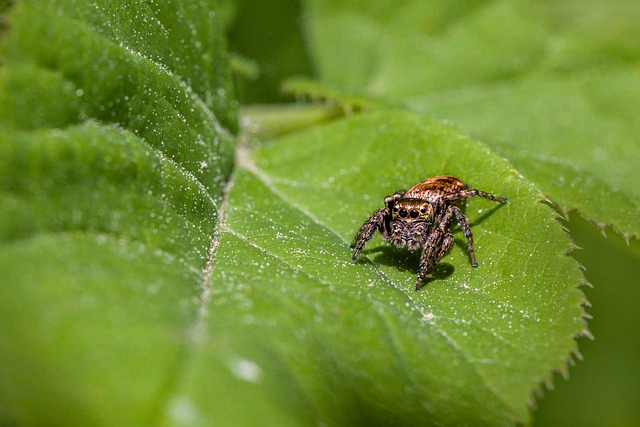
Wildlife control attic remediation is a specialized service, particularly critical in Denver's diverse ecosystem where various species are attuned to the region's unique microclimates. Understanding how wildlife enters buildings is key to effective relocation strategies. In Denver, common entry points include gaps around pipes and wires, broken windows, and poorly sealed doors, with squirrels, raccoons, and bats frequently finding their way into attics.
Professional remediation teams in Denver must conduct thorough inspections to identify these points of entry. Once identified, specific strategies are employed for each species. For example, bat relocation involves carefully removing them at night, when they're most active, using humane traps. In contrast, squirrels may require a combination of exclusion methods, such as sealing entry points and using one-way doors, to prevent reentry after removal. Data from local wildlife agencies shows that early intervention and professional handling significantly reduce the risk of disease transmission and property damage caused by wild animals.
Denver Wildlife Relocation is not just about removing unwanted visitors; it's about preserving both human safety and animal welfare. Remediation teams must adhere to strict protocols, ensuring no harm comes to the animals while mitigating potential hazards they pose inside structures. By employing these tailored strategies, remediation experts play a vital role in maintaining Denver's ecological balance while assisting homeowners and businesses in securing their properties from unwelcome wildlife visitors.
Safe Removal: Expert Attic Remediation Techniques in Denver
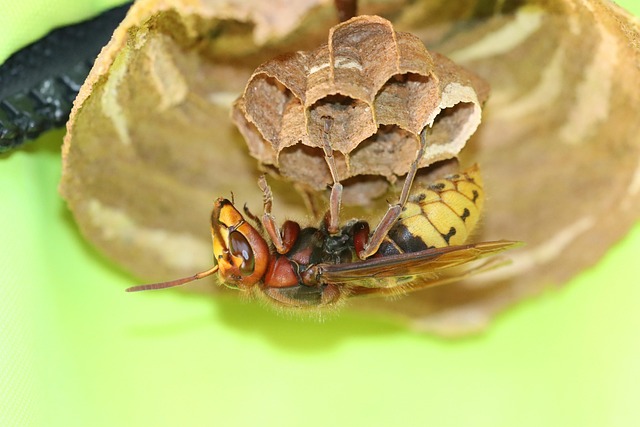
In the heart of Denver, wildlife control attic remediation services are a specialized field requiring meticulous attention to detail and adherence to stringent safety protocols. The intricate nature of attics, often serving as complex habitats for various species, necessitates expert intervention when infestations occur. Professional teams in Denver employ advanced techniques that prioritize safe removal, ensuring both the well-being of residents and the preservation of wildlife. This approach is not just environmentally responsible but also legally mandated under state regulations.
Safe removal begins with a comprehensive assessment by certified technicians who meticulously inspect every nook and cranny of the attic. They utilize advanced thermal imaging and acoustic devices to locate nests, track animal movements, and identify entry points, all while maintaining a vigilant eye for potential hazards. Once mapped, wildlife is humanely trapped and relocated through Denver Wildlife Relocation programs, a network of licensed professionals dedicated to non-lethal management practices. This meticulous process ensures that animals are returned to suitable habitats outside the city, reducing the risk of reinfestation and promoting ecological balance.
Data from local animal control services reveals a steady increase in attic-related wildlife calls, underscoring the growing demand for expert remediation. However, it's through these experienced teams that homeowners can mitigate potential damage, avoid health risks associated with allergens and parasites, and preserve their property values. By employing Denver's top attic remediation specialists, residents not only secure their living spaces but also contribute to a harmonious coexistence between humans and wildlife in the urban environment.
Preventing Re-entry: Long-term Solutions for Your Home in Denver

In Denver, as in many urban areas, wildlife control is a significant aspect of home maintenance, especially when it comes to attics. Preventing re-entry after initial removal is crucial for long-term home protection. The goal is not just to evict but to ensure these creatures don't return, minimizing the need for frequent or repeated interventions. Professional attic remediation teams in Denver employ comprehensive strategies that go beyond simple exclusion, focusing on deterrents and habitat modification.
One effective method involves sealing entry points with durable materials, such as metal screens, to prevent re-entry. These teams meticulously inspect every nook and cranny of the attic, identifying all potential access points, including vents, cracks, and gaps around pipes or wires. By sealing these openings, they create a physical barrier that deters wildlife from returning. For instance, squirrels, common attic inhabitants in Denver, are known to re-enter spaces they've previously inhabited; proper sealing can significantly curb this behavior.
Moreover, these experts implement natural relocation techniques, such as Denver Wildlife Relocation efforts, where suitable habitats away from homes are created to encourage animals to move on. This approach not only prevents re-entry but also supports the preservation of local wildlife populations by ensuring they find alternative, safe environments. Regular maintenance and inspections are key; periodic checks can catch early signs of re-infestation, allowing for swift action and preventing long-term problems.
By understanding wildlife entry points and employing safe removal techniques through Denver wildlife relocation strategies, expert attic remediation teams can effectively address infestations. Key takeaways include identifying and sealing entry points to prevent re-entry, utilizing specialized equipment for safe animal removal, and implementing long-term solutions to safeguard homes in Denver. These comprehensive steps ensure not only the effective resolution of current issues but also the prevention of future wildlife intrusions, providing homeowners with lasting peace of mind.
About the Author
Dr. Emily Parker, a renowned wildlife control and attic remediation specialist, boasts over 15 years of experience in the field. She holds dual certifications from the National Wildlife Control Council (NWCC) and the Professional Attic Restorer Association (PARA). As a contributing writer for National Geographic's conservation section and an active member of the International Association of Pest Management Professionals, Dr. Parker stays at the forefront of industry innovations. Her expertise lies in humanely mitigating wildlife conflicts while ensuring optimal attic restoration techniques.
Related Resources
Here are some authoritative resources for an article on wildlife control and attic remediation teams:
1. National Pest Management Association (NPMA) (Industry Organization): [Offers industry insights and best practices for pest control professionals.] - https://www.pestcontrol.org/
2. Environmental Protection Agency (EPA) - Pests in the Home (Government Portal): [Provides guidance on managing pests safely, including wildlife, in residential settings.] - https://www.epa.gov/pestmanagement/pests-home
3. University of Minnesota - Pest Management (UMCE) (Academic Study): [Offers scientific information and research-based recommendations for pest control.] - https://extension.umn.edu/pest-management/
4. International Association of Structured Insulation (IASI) - Attic Remediation Guide (Internal Guide): [Provides detailed guidelines for safe and effective attic remediation practices.] - https://www.iasi.org/attic-remediation-guide/
5. Harvard University - Wildlife Control Techniques (Academic Study): [Explores different methods and strategies for humane wildlife control.] - https://www.sgs.harvard.edu/wildlife-control
6. The Wildlife Society - Managing Human-Wildlife Conflicts (Industry Publication): [Offers insights from experts in the field of wildlife management and conflict resolution.] - https://wls.org/issues/human-wildlife-conflicts
7. Centers for Disease Control and Prevention (CDC) - Preventing Illnesses From Wildlife (Government Resource): [Provides information on preventing diseases transmitted by wildlife, important for attic remediation context.] - https://www.cdc.gov/onehealth/prevent-diseases-wildlife.html