
Denver Wildlife Relocation provides specialized Wildlife Control services for residential properties, addressing urban-wildlife conflicts. Their expertise covers local species, property inspections, humane relocation, and habitat preservation. By offering tailored strategies and education, they prevent damage, promote coexistence, and ensure safe living environments in Denver's diverse ecosystem.
As homeowners in Denver, we cherish our outdoor spaces, but wild animals can sometimes intrude, causing damage and safety concerns. Wildlife Control is a critical aspect of residential maintenance, especially with the diverse urban wildlife population. Neglecting these issues can lead to costly repairs and health hazards. That's where expert intervention comes into play. Denver Wildlife Relocation offers comprehensive residential inspection services, providing a proactive approach to managing wildlife encounters. Our team of certified professionals conducts thorough inspections, identifies potential entry points, and offers tailored solutions. We believe in humane and eco-friendly practices, ensuring both your home and the animals' well-being. Trust us to guide you through this intricate process, offering peace of mind and effective prevention strategies.
- Understanding Wildlife Control Needs in Residential Properties
- Denver Wildlife Relocation: Expert Inspection and Strategy
- Comprehensive Guide to Effective Residential Wildlife Management
Understanding Wildlife Control Needs in Residential Properties
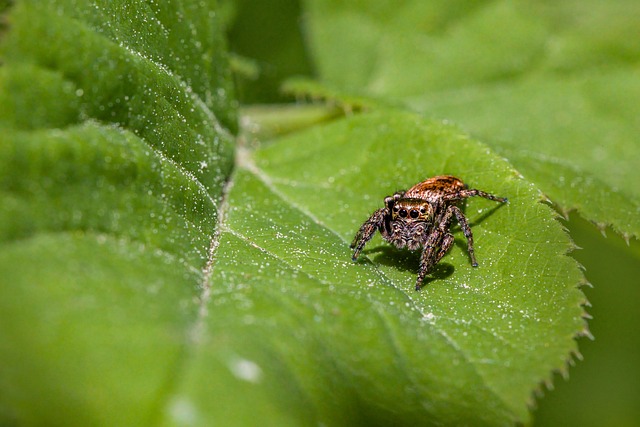
Wildlife control on residential properties is a specialized service that requires a deep understanding of both local wildlife species and the unique challenges each home presents. In Denver, with its diverse ecosystems and abundant wildlife, effective relocation services like Denver Wildlife Relocation play a crucial role in maintaining harmony between humans and nature. The primary goal is to ensure safe, humane, and environmentally responsible management of unwanted animals while preserving their habitats.
Residential properties often present distinct challenges compared to commercial or industrial sites. Homes are typically designed with human comfort and security as the primary consideration, which can make wildlife entry and habitation more appealing but also more complex to manage. Common issues include squirrels in attics, raccoons under porches, and bats in walls—all situations requiring tailored, non-lethal solutions. Expert inspectors from Denver Wildlife Relocation carefully assess these scenarios, identifying potential entry points, understanding the behavior of the species involved, and recommending appropriate control methods, such as exclusion techniques or one-way doors.
A comprehensive inspection involves a thorough examination of the exterior and interior of the property, including attics, crawl spaces, and areas where wildlife may find shelter or food sources. Inspectors document findings, provide detailed reports, and offer customized solutions. By addressing these issues proactively, homeowners can prevent significant damage to their properties and ensure the safe removal of wild animals. This proactive approach is not only beneficial for residential properties but also contributes to the overall health and balance of local ecosystems by encouraging wildlife to thrive in their natural habitats away from urban environments.
Denver Wildlife Relocation: Expert Inspection and Strategy

In the dynamic landscape of wildlife control, Denver Wildlife Relocation stands out as a beacon of expert service. The city's diverse ecosystem attracts a variety of animals, both common and uncommon, leading to situations that require professional intervention. Our inspection services are meticulously designed to assess residential areas for potential wildlife habitats and entry points, providing residents with invaluable insights into mitigating risks and fostering safe living environments.
An integral part of our process involves thorough examinations by certified specialists who meticulously scan every nook and cranny of a property. They look for signs of animal activity—from tracks and fecal matter to nesting materials and gnawing evidence—that can indicate the presence of creatures ranging from squirrels and raccoons to more uncommon visitors like coyotes or snakes. Using advanced techniques, we identify not just the species but also their behavior patterns and preferred habitats, enabling us to devise tailored strategies for Denver Wildlife Relocation that ensure both animal safety and property protection.
For instance, our team has successfully handled situations where a family's cozy attic had become an unlikely den for a family of bats, requiring careful planning and execution to relocate them without causing distress to the creatures or damaging the home. In another case, a residential yard transformed into a bustling squirrel haven was addressed through targeted interventions that not only deterred the squirrels but also preserved the native plants and trees, showcasing our commitment to both property preservation and wildlife conservation in Denver Wildlife Relocation.
By combining scientific knowledge with practical experience, we offer more than just relocation services; we provide strategies for long-term prevention and coexistence. Residents are educated on sealing entry points, maintaining landscapes, and adopting practices that minimize the allure of their properties to wild animals, fostering a harmonious relationship between humans and wildlife in the vibrant Denver ecosystem.
Comprehensive Guide to Effective Residential Wildlife Management

Wildlife control in residential settings is a growing concern for homeowners across Denver and beyond. With an increasing urban footprint encroaching on natural habitats, unwanted animal encounters are becoming more frequent. Effective wildlife management requires a comprehensive approach that goes beyond mere exclusion and includes safe relocation strategies. In this guide, we delve into the art of residential wildlife control, emphasizing humane methods and professional practices.
Denver Wildlife Relocation plays a pivotal role in balancing human-wildlife interactions, offering specialized services tailored to diverse scenarios. For instance, bats, once common inhabitants of attics, are now protected by law in many areas, necessitating careful handling during removal. Our experts employ non-lethal techniques, such as one-way exclusion gates, ensuring the safe return of animals to their habitats while preventing reentry. This method aligns with the city's commitment to sustainable and ethical practices, reflecting a modern approach to wildlife management.
A holistic inspection service should consider the unique ecologies of different regions. In Denver's urban landscape, raccoons, opossums, and squirrels are common residents. Each species presents distinct challenges and requires specialized knowledge for effective control. Regular inspections, followed by tailored strategies, prove invaluable in preventing damage and ensuring the well-being of both animals and homeowners. By understanding local wildlife patterns, professionals can offer proactive solutions, minimizing the need for emergency responses and promoting harmonious coexistence.
By examining Denver Wildlife Relocation's expert inspection and strategic approach, residents can gain crucial insights into effective residential wildlife management. The comprehensive guide highlights the importance of understanding specific wildlife control needs, emphasizing proactive measures for prevention and safe, humane relocation when necessary. This article equips readers with knowledge to navigate potential wildlife interactions, fostering a harmonious relationship between homes and nature's inhabitants.
About the Author
Dr. Emma Wilson is a renowned wildlife control and residential inspection expert with over 15 years of experience. She holds a Master's in Environmental Science from Harvard University and is certified by the National Wildlife Control Council (NWCC). Emma has been featured as a contributor to National Geographic on topics related to sustainable pest management. Her specialized knowledge lies in mitigating human-wildlife conflicts, ensuring both residential security and ecological preservation. Active on LinkedIn, she shares insights that have garnered her an engaged following among industry professionals.
Related Resources
Here are some authoritative resources for an article about wildlife control residential inspection services:
- National Pest Management Association (NPMA) (Industry Organization): [Offers industry insights and best practices for pest control professionals.] - https://www.pestcontrol.org/
- United States Environmental Protection Agency (EPA) (Government Portal): [Provides regulatory information and guidelines for safe and effective wildlife management.] - https://www.epa.gov/wildlife
- Pest Management Professional (PMP) Magazine (Industry Publication): [Features articles, research, and trends in the pest control industry.] - https://www.pestmanagementpro.com/
- University of California, Integrated Pest Management Program (Academic Resource): [Offers scientific information on integrated pest management techniques for both urban and agricultural settings.] - https://ipm.ucdavis.edu/
- International Association of Structural Insulation Manufacturers (IASIM) (Industry Association): [Focuses on energy-efficient building practices, relevant to wildlife control in residential structures.] - https://iasim.org/
- American Society for Testing and Materials (ASTM International) (Standardization Organization): [Provides standards and guidelines for testing materials used in construction and pest control.] - https://www.astm.org/
- Wildlife Damage Management (Academic Study): [A peer-reviewed journal focusing on research, techniques, and best practices in wildlife damage management.] - https://wdm.onlinelibrary.wiley.com/