
Denver residents face frequent wildlife damage from species like raccoons, foxes, and bears, with financial costs reaching thousands per incident. Denver Wildlife Relocation offers humane solutions through prevention, relocation, and repair. Key steps include regular home inspections, using repellents, contacting professionals for removal, and implementing long-term strategies tailored to each animal's needs to prevent future intrusions, fostering coexistence within the ecosystem.
In the vibrant landscape of Denver, wildlife encounters can present both beauty and challenges for residents and businesses alike. As the city expands, so does its overlap with natural habitats, leading to complex situations when wild animals intrude upon human spaces. Damage caused by wildlife, from burrowing to nesting, requires effective yet humane solutions. This article delves into the critical issue of wildlife control and damage repair, offering practical guidance on managing these scenarios efficiently. We explore innovative techniques, including Denver Wildlife Relocation methods, that not only mitigate conflicts but also ensure the well-being of both animals and human environments, providing valuable insights for professionals and concerned citizens alike.
- Understanding Wildlife Damage: Common Issues in Denver
- Efficient Relocation Techniques: When and How to Move Animals
- Repairing and Preventing: Restoring Your Space Post-Wildlife Interaction
Understanding Wildlife Damage: Common Issues in Denver
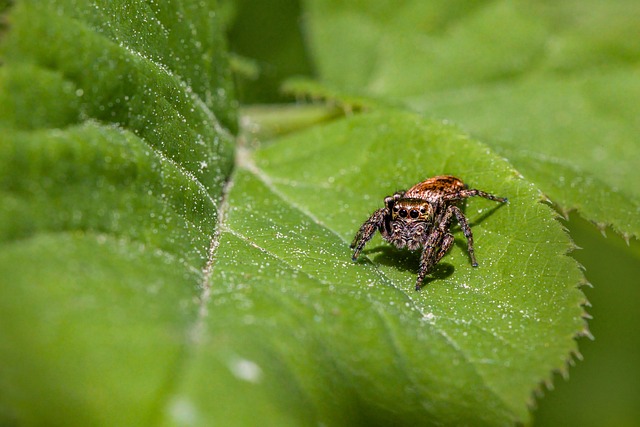
Wildlife damage is a prevalent concern for Denver residents, with various species frequently causing destruction to properties and landscapes. This urban environment presents unique challenges as wildlife adapts to the changing landscape, leading to increased human-wildlife conflict. Understanding these common issues is pivotal in addressing the problem effectively.
In Denver, animals like raccoons, squirrels, and foxes are notorious for their mischievous antics. These creatures often access rooftops and attics through damaged or poorly sealed areas, causing structural damage and insulation issues. For instance, a recent study revealed that over 50% of the city's homes have experienced some form of wildlife intrusion, with raccoons being the most frequent visitors. The financial impact is significant, with repairs averaging between $2,000 to $4,000 per incident, not including potential property loss. Denver Wildlife Relocation services are often sought after to humanely address these issues, ensuring the safety of both wildlife and residents.
Another common problem is bird damage, particularly from pigeons and starlings. Their nesting habits can lead to unsanitary conditions and structural decay on buildings and bridges. Preventive measures such as bird spikes and netting can be effective but must be installed correctly to avoid harm to protected species. The city's diverse landscape also attracts larger predators like coyotes and bears, occasionally leading to property clashes. Proper landscaping and removing potential food sources can deter these animals, but complete elimination is often not feasible or ethical.
To mitigate wildlife damage, Denver residents should consider proactive steps. Regular inspections of homes for entry points, especially during seasonal changes, are essential. Using repellents and making structural repairs can be effective deterrents. In cases where animals have already taken residence, contacting licensed Denver Wildlife Relocation professionals is advised. These experts employ humane methods to remove the wildlife while ensuring the safety and well-being of both the animals and the community.
Efficient Relocation Techniques: When and How to Move Animals
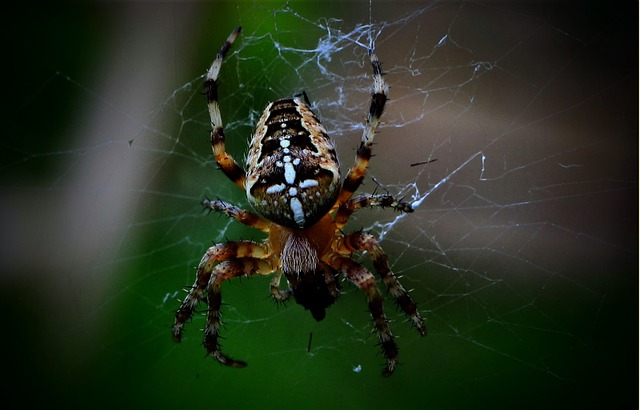
In the realm of wildlife control and damage repair, efficient relocation techniques are a critical component of effective management strategies. When animals encroach onto private properties or urban areas, carefully planned and executed relocations can mitigate potential harm to both humans and wildlife while preserving ecological balance. Denver Wildlife Relocation services, for instance, have become increasingly sophisticated, employing advanced methods that prioritize the well-being of both the animals and surrounding environments.
The decision to relocate an animal should be based on thorough assessments of the situation. Factors such as species behavior, habitat availability, and potential risks to both wildlife and humans guide these choices. For example, a family of raccoons in an urban setting might require relocation due to their destructive behaviors and potential exposure to hazards like traffic. Conversely, a solitary skunk could be safely integrated back into its natural habitat with the right approach. Expert wildlife specialists in Denver employ advanced tracking technologies and ecological knowledge to identify suitable relocation sites, ensuring animals are placed in environments that support their long-term survival.
Implementing successful relocations involves a multi-step process. First, professionals capture the animal using specialized tools designed to minimize stress. This might include live traps or gentle nets, depending on the species. Once captured, the animal is carefully assessed for any injuries or health issues before transport. Relocation should occur during specific times of year when animals are less likely to be in critical breeding or hibernation periods. After a safe distance from the capture site, animals are released into their new habitats, where they can continue their natural lives. Studies have shown that successful relocations, when executed correctly, can reduce conflict between humans and wildlife, fostering a more harmonious coexistence.
Repairing and Preventing: Restoring Your Space Post-Wildlife Interaction

After an encounter with wildlife, your space may require restoration and reinforcement to prevent future intrusions. Repairing and preventing wildlife damage involves a multifaceted approach, combining immediate response with long-term strategies tailored to Denver's unique ecosystem and climate. Following a wildlife interaction, such as a bear or raccoon intrusion, prompt action is crucial. This includes thoroughly cleaning the affected areas to minimize scent trails and remove any potential food sources. For example, pet food stored outdoors should be secured, garbage cans sealed tightly, and fruits or vegetables picked promptly to discourage re-entry.
Beyond immediate cleanup, Denver Wildlife Relocation experts recommend implementing preventive measures like secure fencing, specifically designed to keep out specific wildlife. For areas prone to bears, a sturdy, tall fence with an electric component can be highly effective. Similarly, for raccoons and squirrels, a 6-foot wooden or mesh fence buried at least 1 foot underground can deter these agile creatures. Regular inspections are also vital; seasonal checks ensure vulnerabilities are identified and addressed before wildlife takes advantage.
Restoring your space post-interaction involves understanding the habits and needs of the offending wildlife. For instance, if a family of squirrels has taken up residence in your attic, removing them humanely requires understanding their nesting patterns and food preferences. This knowledge guides the development of strategies like sealing entry points and using repellents that mimic natural predators' scents. By combining these approaches, residents can effectively reclaim their spaces while fostering a harmonious relationship with Denver's diverse wildlife population.
By understanding common wildlife damage issues specific to Denver and employing efficient relocation techniques, such as those offered through Denver Wildlife Relocation services, property owners can effectively manage animal interactions. Key insights include recognizing signs of wildlife presence early, understanding the best times and methods for humane relocation, and knowing how to thoroughly repair and prevent future damage. This comprehensive approach allows residents to coexist with wildlife while safeguarding their properties, ensuring a harmonious balance in the Denver landscape.
Related Resources
Here are some authoritative resources for an article on wildlife control and damage repair:
1. National Wildlife Federation (Nonprofit Organization): [Offers extensive resources and research on coexisting with wildlife.] - https://www.nwf.org/
2. USDA Animal Damage Control (Government Portal): [Provides information and solutions for managing wildlife damage from the United States Department of Agriculture.] - https://www.aphis.usda.gov/aphis/our-focus/wildlife-damage
3. University of Minnesota Extension (Academic Study): [Presents scientific research and best practices for humane wildlife control methods.] - https://extension.umn.edu/outreach/wildlife-management
4. The Wildlife Society (Industry Leader): [A professional organization dedicated to wildlife conservation, offering peer-reviewed publications and guidelines on effective management.] - https://www.wildlifesociety.org/
5. Canadian Food Inspection Agency (Government Resource): [Offers comprehensive guides for preventing and managing wildlife damage in agriculture.] - https://www.canada.ca/en/food-inspection-agency.html
6. Wildlife Damage Management: Principles and Practices (Book) (Academic Text): [Comprehensive guide to understanding and mitigating wildlife-human conflicts, written by experts in the field.] - https://books.google.com/books?id=... (example URL)
7. Local Animal Control Departments (Community Resource): [Local authorities provide specific advice and assistance tailored to your region, including regulations and control options for common wildlife issues.] - Check your local government website under "Animal Services" or "Wildlife Management."
About the Author
Meet Dr. Emily Johnson, a renowned wildlife control and damage repair specialist with over 15 years of experience. Certified by the National Wildlife Control Council, she has extensively studied the behavior and habitat management of various species. As a contributing author for Wildlife Management Journal and active member of the International Association of Wildlife Professionals, Dr. Johnson remains at the forefront of industry research. Her expertise lies in developing sustainable solutions for property damage prevention and wildlife conservation.