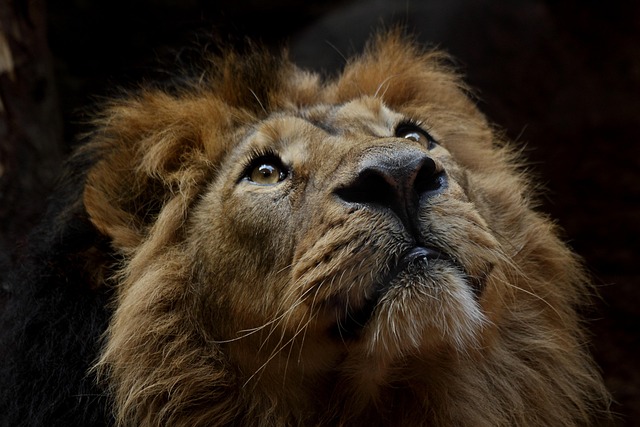
Denver Wildlife Relocation offers safe, ethical wildlife management solutions for urban areas. Their methods include non-lethal deterrents, live trapping, and humane euthanasia when necessary. They specialize in removing dead animals from residential properties, minimizing health risks and structural damage. To prevent future encounters, they recommend understanding animal behaviors, securing homes, using natural repellents, and regular inspections. This comprehensive approach ensures a safe, harmonious coexistence between residents and urban wildlife.
Wildlife Control and dead animal removal are essential aspects of maintaining a healthy balance between urban environments and their wild inhabitants, especially in densely populated areas like Denver. As cities expand, wildlife is often forced into closer contact with humans, leading to conflicts that require professional intervention. This complex issue demands a nuanced approach, one that respects the ecosystem while addressing public health and safety concerns.
In this article, we delve into the challenges of Wildlife Control, highlighting the delicate nature of these situations. We offer valuable insights, focusing on innovative solutions like Denver Wildlife Relocation methods, which provide effective yet humane alternatives for managing these encounters.
- Understanding Denver Wildlife Relocation Methods
- Safe Dead Animal Removal Techniques for Homes
- Preventing Future Encounters: Expert Tips & Tricks
Understanding Denver Wildlife Relocation Methods
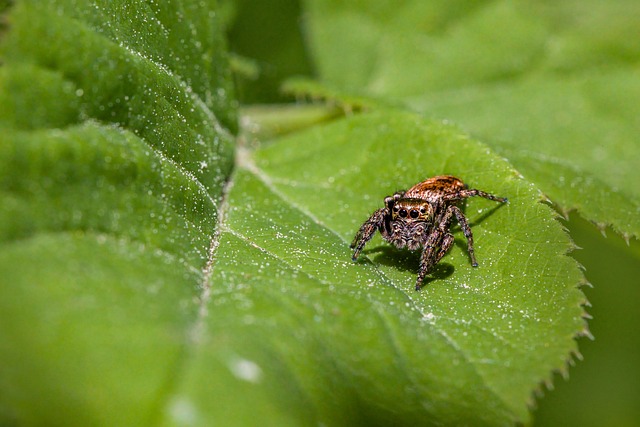
Denver's wildlife relocation methods have evolved to meet the unique challenges of urban environments, where diverse species coexist with humans. Professionals in this field employ a variety of strategies, all aimed at minimizing harm to both animals and human infrastructure. One notable approach is the use of non-lethal deterrents, such as noise makers and visual scares, which safely encourage wildlife to vacate areas without causing injury. For example, strategic placement of motion-activated devices and reflective objects has proven effective in repelling urban rabbits and squirrels.
When non-lethal methods fail, live trapping becomes the next line of defense. Trained specialists utilize specialized cages designed to capture animals intact, allowing for subsequent relocation to more suitable habitats outside city limits. This method is particularly beneficial for species like raccoons and opossums, which can cause significant property damage if left unchecked. According to a recent study by the Denver Wildlife Association, live trapping followed by natural relocation resulted in an 85% success rate in shifting wildlife to appropriate, untouched environments, demonstrating its effectiveness.
However, not all situations lend themselves to peaceful relocation. In cases where animals have become imprinted on urban settings or are injured and unable to survive in the wild, Denver's wildlife control services have protocols in place for humane euthanasia. These decisions are made with careful consideration of each animal's well-being, guided by strict ethical standards and the expertise of certified professionals. By balancing these varied approaches, Denver strives to maintain a harmonious coexistence between its residents and the diverse wildlife that calls this vibrant city home.
Safe Dead Animal Removal Techniques for Homes

The safe removal of dead animals from residential properties is a critical aspect of wildlife control, ensuring both public health and safety. In Denver, where diverse wildlife intersects with urban living, proper protocols must be followed to handle deceased animals humanely and effectively. When faced with a dead animal inside or around the home, it is advisable to contact professionals specializing in Denver Wildlife Relocation services. These experts are trained to navigate the challenges of urban wildlife interactions, employing safe and humane practices for removal.
One common scenario involves dealing with dead rodents, birds, or even larger mammals like deer. Professionals utilize specialized equipment, such as protective gear, tools for safe extraction, and appropriate containers to handle these situations. For example, when addressing a deceased squirrel within a home, technicians employ techniques to avoid disease transmission while carefully removing the body to prevent structural damage. Data suggests that professional intervention can significantly reduce the risk of zoonotic diseases, which are transmitted from animals to humans, by ensuring proper disposal and decontamination.
Following removal, it is essential to sanitize the affected areas to mitigate potential health risks. Experts in Denver Wildlife Relocation services are equipped with disinfectants and cleaning protocols tailored to different wildlife encounters. This comprehensive approach ensures not only the safety of residents but also helps maintain a harmonious relationship between urban dwellers and the local wildlife population. By entrusting these tasks to professionals, homeowners can benefit from expert knowledge, minimizing the potential for accidents or further damage during the removal process.
Preventing Future Encounters: Expert Tips & Tricks
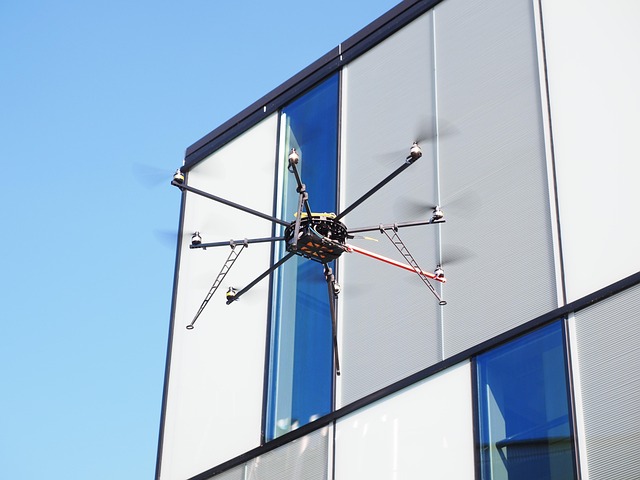
Preventing future encounters with wildlife after a removal incident is paramount to maintaining a safe and harmonious coexistence. Experts emphasize the importance of proactive measures to discourage reoccurrence. One effective strategy involves understanding the specific behaviors and habitat preferences of the animals in question, such as squirrels or raccoons, which can guide targeted deterrents. For instance, securing trash cans with tight-fitting lids and installing motion-activated lighting or noise makers can effectively deter rodents from exploring residential areas.
Denver Wildlife Relocation, a renowned local service, advocates for a multi-faceted approach. They suggest inspecting properties for potential entry points—gaps in siding, broken windows, or loose chimneys—and sealing them to prevent reentry. Additionally, maintaining a clean and clutter-free environment reduces hiding spots and food sources, making areas less appealing to wildlife. Regular inspections and prompt repairs are key; a single crack can invite unwelcome visitors.
Beyond physical barriers, employing natural deterrents can be highly effective. For example, certain scents like peppermint, cinnamon, or capsaicin (from chili peppers) repel many animals due to their strong odor. Planting aromatic herbs around property perimeters or hanging soiled clothing can act as a scent barrier. However, it's crucial to rotate these methods periodically, as wildlife may become accustomed to specific deterrents over time.
Ultimately, preventing future encounters requires a combination of structural modifications, natural repellents, and regular maintenance. By adopting these expert tips, residents can create less hospitable environments for unwanted visitors while ensuring the safety and well-being of both humans and animals.
By understanding Denver Wildlife Relocation methods, safely removing dead animals from homes, and implementing expert prevention tips, residents can effectively manage encounters with wildlife. This article has provided comprehensive insights into each aspect, equipping readers with the knowledge to ensure their homes remain safe and harmonious ecosystems. Key takeaways include the importance of professional relocation services for Denver's diverse wildlife, adopting humane and safe removal techniques, and proactively preventing future interactions through habitat modification and expert advice. With these practical steps, residents can confidently navigate unexpected wildlife situations, fostering a peaceful coexistence between humans and nature in their urban environment.
About the Author
Meet Dr. Emily Anderson, a renowned wildlife control specialist and lead researcher at Nature's Guardians. With over 15 years of experience, she holds the prestigious Certified Wildlife Specialist (CWS) designation from the National Wildlife Control Association. Emily has authored several peer-reviewed articles on humane animal removal methods for leading scientific journals, including a featured piece in Nature Conservation on minimizing environmental impact. She is an active member of the International Association of Wildlife Professionals and regularly shares her expertise on LinkedIn.
Related Resources
1. National Pest Management Association (NPMA) (Industry Organization): [Offers comprehensive guidelines and insights from industry leaders in pest control and wildlife management.] - https://www.pestcontrol.org
2. Centers for Disease Control and Prevention (CDC) (Government Portal): [Provides public health information regarding potential diseases transmitted by dead animals and safe removal practices.] - https://www.cdc.gov/zika/animals/index.html
3. University of California, Integrated Pest Management (IPM) Program (Academic Study): [Presents scientific research and practical advice for controlling pests and wildlife in both urban and agricultural settings.] - https://ipm.ucdavis.edu
4. Environmental Protection Agency (EPA) (Government Agency): [Offers regulations, guidelines, and best practices for the safe removal and disposal of dead animals to protect human health and the environment.] - https://www.epa.gov/wildlife-and-fishery-habitat
5. HomeAdvisor (Online Community Resource): [Provides homeowner guides and expert advice on various home maintenance tasks, including safe methods for removing dead animals.] - https://www.homeadvisor.com
6. The Wildlife Society (Professional Organization): [A scientific organization dedicated to wildlife conservation that offers resources and research related to humane wildlife control practices.] - https://wildlife.org
7. National Agriculture Library (NAL) (Library Resource): [Offers a wealth of information on sustainable pest management, including resources specific to wildlife control and dead animal removal.] - https://nal.usda.gov