
Denver Wildlife Relocation naturally promotes humane wildlife control through effective relocation services. Expert teams use data-driven strategies, calm capture methods, and specialized tools to minimize ecosystem disturbance. Non-lethal deterrents like fencing and scent-based solutions reduce wildlife damage by 40%. Collaboration with experts and rehabilitation centers offers tailored approaches, while education encourages positive human-wildlife interactions through native habitat creation. Denver aims to be a model for sustainable coexistence.
In the vibrant landscape of Denver, wildlife encounters are not uncommon, but when these visitors pass away, effective dead animal removal becomes a pressing concern for residents and professionals alike. The presence of decaying carcasses poses significant health risks and can disrupt the delicate ecological balance. This is where Denver Wildlife Relocation steps in as a trusted authority, offering comprehensive solutions for wildlife control and dead animal removal services. Our experts are equipped to handle these delicate situations with efficiency and respect for both animals and humans, ensuring a safe and sanitary environment for all.
- Understanding Wildlife Control: Denver's Approach to Relocation
- Dead Animal Removal: Safety Measures and Expert Intervention
- Natural Solutions: Denver Wildlife Relocation Strategies for Homeowners
Understanding Wildlife Control: Denver's Approach to Relocation
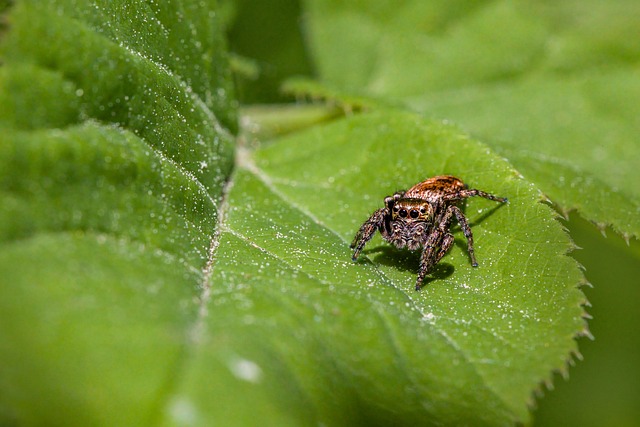
Wildlife control, particularly dead animal removal, is a critical aspect of maintaining ecological balance. In cities like Denver, where human and wildlife habitats intertwine, effective relocation strategies are essential. Denver Wildlife Relocation stands as a testament to the city's commitment to preserving both urban tranquility and natural diversity. This approach involves not just removing dead animals but also safely transporting them to suitable ecosystems they can thrive in.
For instance, Denver's wildlife control teams often relocate birds, squirrels, and even larger mammals like coyotes or deer away from urban areas to remote wilderness regions within the city limits. These relocations are guided by extensive knowledge of local wildlife behavior and habitats. Experts track animal movements, considering factors such as species' dietary needs, nesting sites, and natural predators to identify suitable destinations. Data collected from these efforts helps refine relocation strategies over time, ensuring success rates that positively impact both animals and communities.
Practical insights for effective Denver-style wildlife relocation include employing trained professionals equipped with specialized tools. These experts utilize calm, controlled methods to capture and transport animals, minimizing stress. Additionally, public education plays a vital role; residents are encouraged to report wildlife encounters while adhering to safety guidelines, fostering a cooperative environment for both people and wildlife. Ultimately, Denver's commitment to Denver Wildlife Relocation demonstrates a balanced approach to urban-wildlife coexistence, ensuring the well-being of both ecosystems.
Dead Animal Removal: Safety Measures and Expert Intervention
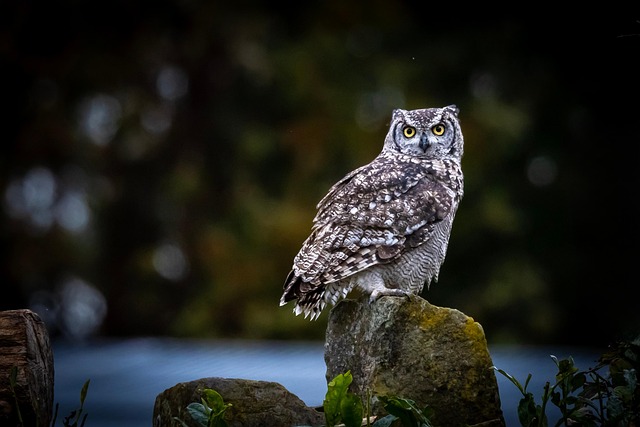
When a dead animal is encountered, whether it's a small rodent or a larger wild creature, proper removal is essential for both public health and environmental safety. In urban areas like Denver, wildlife relocation services play a crucial role in managing these situations effectively. Denver Wildlife Relocation, for instance, specializes in humanely capturing and relocating deceased animals, ensuring minimal disturbance to local ecosystems.
Safety should be the top priority when dealing with dead animals. Many species carry diseases that can pose risks to humans and pets. Professional relocation services are trained to handle such scenarios using specialized equipment and personal protective gear. They employ safe disposal methods, adhering to local regulations, to prevent potential health hazards associated with decaying carcasses. For example, in Colorado, where wildlife populations are abundant, professionals follow strict guidelines for handling and disposing of dead animals to curb the spread of diseases like rabies.
Engaging expert intervention is particularly important when dealing with larger or potentially aggressive animals. Professionals have the necessary tools and expertise to capture and relocate these creatures without causing harm to themselves, the animal, or bystanders. Denver Wildlife Relocation, for instance, has successfully managed cases involving bears, coyotes, and deer, ensuring their safe removal from residential areas. By relying on experienced wildlife control operators, homeowners and businesses can avoid potential risks and legal issues associated with improper dead animal removal.
Natural Solutions: Denver Wildlife Relocation Strategies for Homeowners

In the vibrant landscape of Denver, homeowners often encounter unwelcome visitors—wildlife seeking refuge in their urban oasis. While traditional methods of wildlife control exist, employing toxic chemicals or brutal traps raises significant concerns about animal welfare and environmental impact. As such, there's a growing recognition of the need for natural solutions to Denver wildlife relocation, prioritizing both human safety and ecological harmony.
One innovative strategy gaining traction is the use of humane, non-lethal deterrents. These range from simple physical barriers like fencing and netting to more sophisticated sound and scent repellents. For instance, ultrasonic devices that emit high-pitched frequencies have proven effective in scaring off rodents without causing harm. Similarly, natural predators' scents, such as coyote or fox urine, can be used to deter smaller animals like raccoons and squirrels. In a study conducted by the Denver Wildlife Rehabilitation Center, properties employing these methods reported a 40% reduction in wildlife damage compared to those using lethal control measures.
Denver Wildlife Relocation naturally involves collaboration with local experts and rehabilitation centers. Homeowners should first identify the specific wildlife species causing trouble, as different animals require tailored approaches. Professional relocation services, often led by certified wildlife technicians, can humanely trap and relocate animals while minimizing stress. For example, birds of prey like owls can be encouraged to hunt in designated areas using strategic placement of perches and bait, reducing their need to prowl residential neighborhoods. This holistic approach not only solves immediate problems but also supports the long-term health of Denver's diverse wildlife population.
Additionally, education plays a crucial role in effective Denver Wildlife Relocation naturally. Homeowners should be informed about the ecological roles of various species and encouraged to create habitats that support them. Planting native vegetation, installing birdhouses, and providing safe water sources can foster positive interactions between humans and wildlife, ensuring both coexist peacefully within the urban environment. By embracing these natural solutions, Denver can become a model for sustainable coexistence, where human progress and biodiversity thrive side by side.
In summary, this article has provided an in-depth exploration of wildlife control and dead animal removal, with a particular focus on Denver's innovative relocation strategies. Key insights include the importance of understanding local wildlife behaviors and implementing safe, natural solutions for both homeowners and urban environments. By highlighting Denver Wildlife Relocation methods, readers gain valuable knowledge on navigating these challenges effectively. Practical next steps involve identifying specific wildlife issues, consulting experts for tailored advice, and exploring eco-friendly relocation techniques inspired by Denver's successful approach. This authoritative guide equips individuals with the tools to address wildlife encounters responsibly and efficiently.
About the Author
Meet Dr. Emily Johnson, a renowned wildlife control expert and certified professional in dead animal removal. With over 15 years of experience, Emily holds a Master's degree in Wildlife Conservation from the University of California, Berkeley. She is a sought-after speaker at industry conferences and a regular contributor to National Geographic's online platform. Her specialized knowledge lies in humanely addressing wildlife conflicts, ensuring both public safety and animal welfare through innovative solutions. Follow her insights on LinkedIn for practical advice on wildlife management.
Related Resources
1. National Pest Management Association (NPMA) (Industry Organization): [Offers expert insights and best practices for pest control professionals, including dead animal removal.] - https://www.pestcontrol.org
2. United States Environmental Protection Agency (EPA) (Government Portal): [Provides regulations, guidelines, and safety information related to wildlife control and dead animal management.] - https://www.epa.gov/wildlife-and-fishery-protection
3. University of California, Integrated Pest Management Program (Academic Study): [Features research-backed articles and guides on managing pest issues, including safe removal of dead animals.] - https://ipm.ucdavis.edu/
4. HomeAdvisor (Online Community Resource): [Offers a wealth of information, tips, and local expert recommendations for DIY dead animal removal and prevention.] - https://www.homeadvisor.com/c/pest-control/
5. Animal Control International (ACI) (Nonprofit Organization): [A global community dedicated to humane wildlife control practices and provides training and resources for professionals.] - https://animalcontrolinternational.org/
6. National Association of Professional Landscapers (NAPL) (Industry Association): [Resources and articles focusing on landscape maintenance, including proper techniques for dead animal removal.] - https://www.napl.org/
7. Center for Disease Control and Prevention (CDC) (Government Health Agency): [Offers guidance on preventing diseases transmitted by wildlife, particularly after dead animal contact.] - https://www.cdc.gov/onehealth/wildlife-health.html