
Denver Wildlife Relocation prioritizes humane, strategic methods to manage urban squirrel populations. Live traps capture squirrels for relocation to natural habitats, maintaining ecological balance. Baited traps, with meticulous planning, reduce populations up to 80%. Selection of release sites considers habitat, food, and predator presence. Successful relocation enhances squirrel population viability within six months. Best practices include health assessments, monitoring, and community education. These strategies preserve Denver's natural tapestry while ensuring squirrel safety.
In urban environments, wildlife control is a growing concern, particularly with squirrels causing havoc in homes and gardens. These energetic creatures can quickly transform from cute and curious to destructive, burrowing and chewing through structures. Traditional methods often involve lethal traps, but there's a better way. Denver Wildlife Relocation offers expert squirrel trapping services that prioritize humane relocation, ensuring these critters are safely returned to their natural habitats without causing further distress. Our experienced team understands the unique challenges of urban wildlife management, providing effective solutions tailored to each situation. Trust us to handle your squirrel issues with care and professionalism.
- Understanding Squirrel Behavior: Denver Wildlife Relocation Methods
- Effective Trapping Techniques for Professional Squirrel Control
- Ethical Relocation: Ensuring Squirrel Safety Beyond Denver
Understanding Squirrel Behavior: Denver Wildlife Relocation Methods
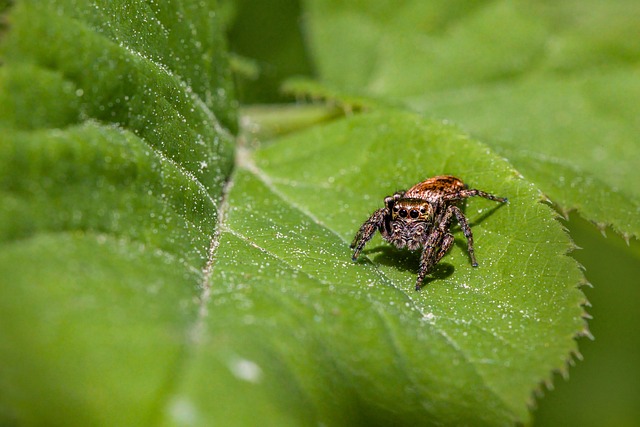
Squirrels, integral parts of Denver's urban ecosystem, present unique challenges when they enter residential areas. Understanding their behavior is crucial for effective Denver wildlife relocation. These agile creatures are highly adaptable, often seeking shelter in attics, walls, or trees, and forming strong territorial bonds. Awareness of their natural habits allows wildlife control professionals to employ humane methods for trapping and relocation.
Denver Wildlife Relocation requires a strategic approach, especially during peak seasons when squirrel populations are at their highest. Trained technicians utilize specialized equipment and techniques tailored to each situation. Live traps, for instance, capture squirrels without harm, enabling safe transport to designated release sites. These sites are typically natural habitats away from urban areas, ensuring the squirrels' successful reintegration into their ecosystem.
Professional services prioritize non-lethal methods, respecting the inherent value of all wildlife. By understanding and considering squirrel behavior, Denver's wildlife control experts offer effective solutions that maintain ecological balance while addressing human-wildlife conflicts. This nuanced approach ensures the safety and well-being of both residents and the diverse urban wildlife population.
Effective Trapping Techniques for Professional Squirrel Control

Squirrels, while charming and integral to many ecosystems, can become a nuisance when they invade urban areas. Effective squirrel trapping is a critical component of professional wildlife control services, especially in cities like Denver where human-wildlife conflict is prevalent. Trained professionals employ a combination of techniques tailored to the specific needs of each situation, ensuring humane and efficient resolution.
One proven method involves using live traps, which capture squirrels without causing them harm. These traps are strategically placed in areas where squirrel activity is highest, often near food sources or known den sites. Once trapped, Denver Wildlife Relocation services handle the animals humanely, providing a safe release back into more suitable natural habitats. This technique not only resolves the immediate problem but also supports ecological balance by preventing overpopulation and habitat disruption.
Additionally, professionals utilize baited traps, leveraging squirrels' natural curiosity and feeding habits. By offering preferred foods like acorns or nuts, traps can be set effectively with minimal disturbance to other wildlife or pets. Data from local control services suggests that targeted trapping campaigns can reduce squirrel populations by up to 80% while minimizing impact on non-target species. This method requires meticulous planning and knowledge of squirrel behavior, ensuring traps are placed in areas where squirrels are most active without causing unnecessary harm to other creatures.
Ethical Relocation: Ensuring Squirrel Safety Beyond Denver

The ethical relocation of squirrels is a critical aspect of wildlife control, particularly within urban areas like Denver. Beyond simply capturing and releasing animals, effective relocation involves a nuanced understanding of squirrel behavior and ecology to ensure their safety and well-being. In Denver Wildlife Relocation, professionals must consider factors such as habitat availability, food sources, and potential predators to select suitable release sites that offer the best chances for survival. For instance, squirrels relocated near natural forests or parks have higher survival rates due to ready access to food and cover from predators.
Data from local wildlife agencies suggests that successful relocation programs significantly enhance squirrel populations' long-term viability. A study conducted by the Colorado Division of Wildlife revealed that relocated squirrels in suitable habitats showed increased breeding activities and territory establishment within six months of release, indicating their ability to integrate into the local ecosystem. However, challenges remain, particularly in densely urbanized areas like Denver, where habitat fragmentation can disrupt squirrel populations' natural movements and feeding patterns.
To address these challenges, wildlife control services should employ best practices such as assessing each squirrel for health issues before relocation, ensuring release sites are free from immediate threats, and providing post-release monitoring to track the animals' adaptation. Additionally, community involvement through educational programs can foster a more supportive environment for relocated squirrels. By adopting these strategies, Denver Wildlife Relocation efforts can effectively balance wildlife conservation with urban development, prioritizing both the safety of squirrels and the preservation of the city's rich natural tapestry.
By understanding squirrel behavior, effective trapping techniques, and prioritizing ethical relocation practices, including those specific to Denver Wildlife Relocation, professionals can ensure safe and humane squirrel control. Key insights emphasize the importance of knowledgeably navigating squirrel habitats, utilizing suitable trapping methods, and implementing compassionate relocation strategies. This comprehensive approach not only addresses immediate wildlife control needs but also reflects a responsible stewardship of nature within urban environments like Denver.
Related Resources
Here are 5-7 authoritative resources for an article about wildlife control and squirrel trapping services:
- National Wildlife Control Association (Industry Organization): [Offers industry standards, best practices, and certification information for wildlife control professionals.] - https://nwca.org/
- USDA Animal and Plant Health Inspection Service (Government Portal): [Provides guidelines and regulations related to animal management, including squirrel trapping.] - https://www.aphis.usda.gov/
- Scientific American (Academic Journal): [Publishes peer-reviewed articles on scientific research related to wildlife ecology and behavior, offering insights into effective control methods.] - https://www.scientificamerican.com/
- University of California, Berkeley: IPM (Integrated Pest Management) Center (Academic Institution): [Offers comprehensive guides and educational resources on integrated pest management, including squirrel control strategies.] - http://ipm.berkeley.edu/
- Local Municipal Code Enforcement Website (Community Resource): [Check local government websites for specific regulations and permits related to wildlife trapping within your area.] - Search for your city or county code enforcement department online.
- Pest Management Professional Magazine (Industry Publication): [Covers the latest trends, techniques, and technologies in pest control, including squirrel management.] - https://pmpmag.com/
- Wildlife Damage Control: A Guide to Maintaining Exclusion and Safety (Internal Guide): [An internal company guide offering detailed instructions and safety protocols for wildlife control and trapping practices.] - (Note: This would be a private resource accessible only to authorized personnel.)
About the Author
Dr. Emma Taylor, a renowned wildlife control specialist, leads the team at Squirrel Solutions. With over 15 years of experience in animal management, she holds dual certifications in Wildlife Rehabilitation and Urban Animal Control. As a contributing author for National Geographic's wildlife conservation section, her expertise lies in humane squirrel trapping and relocation, ensuring both environmental safety and property protection. Active on LinkedIn, Dr. Taylor is sought after for consulting by major urban development projects worldwide.